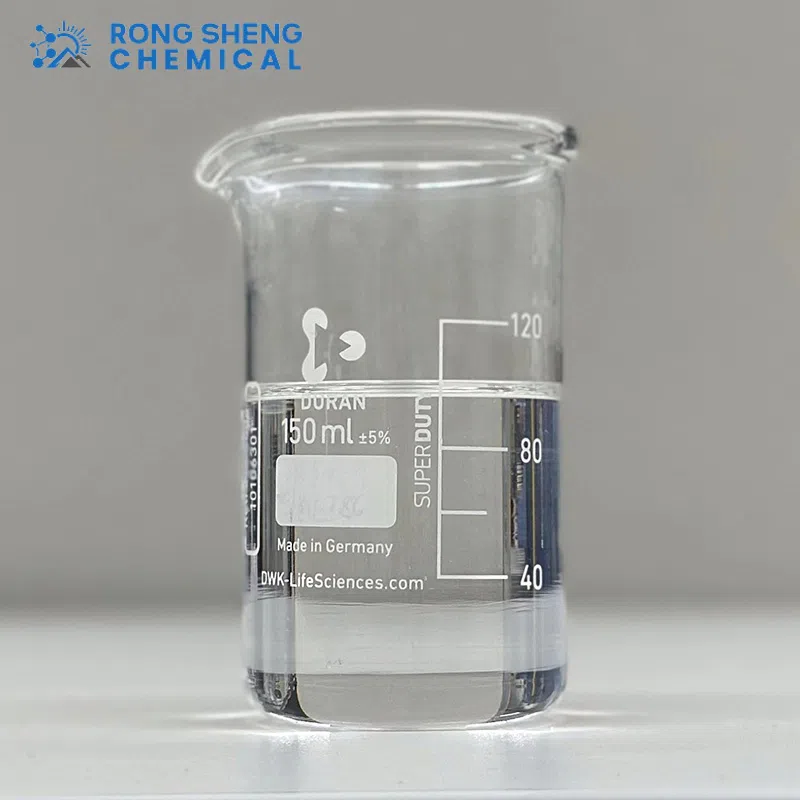
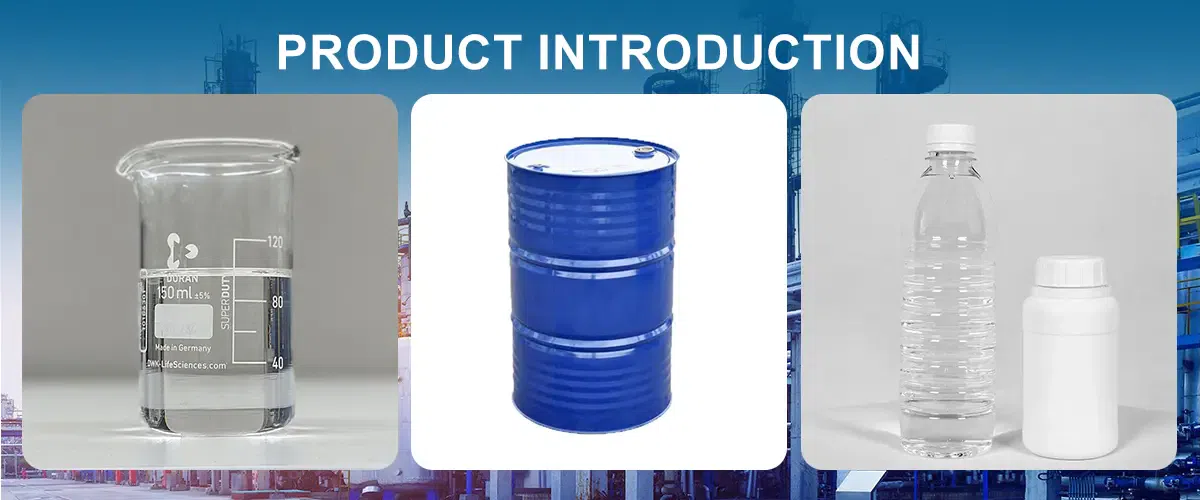
Product Description
Isobutanol, alternatively named 2-methylpropanol (not to be confused with isopropyl alcohol), is a colorless, flammable liquid. It acts as one of the critical constituents responsible for the distinctive aroma of tea materials, including green tea, black tea and fresh tea leaves.
Isobutanol has a molecular weight of 74.12. Its key physical constants are as follows: boiling point 107.66°C, relative density 0.8016, refractive index 1.3959, and flash point 37°C. It is soluble in alcohols and ethers yet only slightly soluble in water. Isobutanol is capable of forming explosive mixtures with air, with a lower explosive limit of 2.4% by volume.
Furthermore, it can generate addition compounds such as CaCl₂·3C₄H₁₀O when combined with calcium chloride.
Properties
| Melting point | 108 °C (lit.) |
| Boiling point | 108 °C (lit.) 108 °C |
| density | 0.803 g/mL at 25 °C (lit.) |
| vapor density | 2.55 (vs air) |
| vapor pressure | 8 mm Hg ( 20 °C) |
| refractive index | n20/D 1.396(lit.) |
| FEMA | 2179 | ISOBUTYL ALCOHOL |
| Fp | 82 °F |
| storage temp. | Store at +5°C to +30°C. |
| solubility | water: miscible70g/L at 20°C; miscible with alcohol and oils. |
| form | Solid |
| pka | >14 (Schwarzenbach et al., 1993) |
| color | APHA: ≤10 |
| Relative polarity | 0.552 |
| PH | 7 (80g/l, H2O, 20℃) |
| Odor | Slightly suffocating; nonresidual alcoholi |
| Odor Threshold | 0.011ppm |
| explosive limit | 1.5-12%(V) |
| Odor Type | ethereal |
| Water Solubility | 95 g/L (20 ºC) |
| λmax | λ: 260 nm Amax: 0.10 |
| λ: 280 nm Amax: 0.06 | |
| JECFA Number | 251 |
| Merck | 145131 |
| BRN | 1730878 |
| Henry's Law Constant | 20.0 at 30.00 °C, 72.2 at 50.00 °C, 133 at 60.00 °C, 216 at 70.00 °C, 330 at 80.00 °C (headspace- GC, Hovorka et al., 2002) |
| Exposure limits | TWA 300 mg/m3 (100 ppm) NIOSH, 150 mg/m3 (50 ppm) (ACGIH); IDLH 8000 ppm. |
| Dielectric constant | 31.7(-80℃) |
| Stability: | Stable. Flammable. Incompatible with strong oxidizing agents, aluminium. |
| InChIKey | ZXEKIIBDNHEJCQ-UHFFFAOYSA-N |
| LogP | 1 at 25℃ |
| CAS DataBase Reference | 78-83-1(CAS DataBase Reference) |
| NIST Chemistry Reference | 1-Propanol, 2-methyl-(78-83-1) |
| EPA Substance Registry System | Isobutanol (78-83-1) |
Safety Information
| Hazard Codes | Xi |
| Risk Statements | 10-37/38-41-67 |
| Safety Statements | 13-26-37/39-46-7/9 |
| RIDADR | UN 1212 3/PG 3 |
| OEB | A |
| OEL | TWA: 50 ppm (150 mg/m3) |
| WGK Germany | 1 |
| RTECS | NP9625000 |
| Autoignition Temperature | 801 °F |
| TSCA | Yes |
| HazardClass | 3 |
| PackingGroup | III |
| HS Code | 29051990 |
| Hazardous Substances Data | 78-83-1(Hazardous Substances Data) |
| Toxicity | LD50 orally in rats: 2.46 g/kg (Smyth) |
| IDLA | 1,600 ppm |
Product Usage
(1) Applied as analytical reagents, chromatographic reagents, solvents and extractants.
(2) Utilized as a feedstock for organic synthesis while acting as a high-performance solvent.
(3) Isobutanol acts as a vital intermediate in organic synthesis, primarily for manufacturing isobutyronitrile, a key intermediate for diazinon production.
(4) As a chemical raw material, it is employed to produce petroleum additives, antioxidants including 2,6-di-tert-butylated hydroxytoluene, isobutyl acetate (paint solvent), plasticizers, synthetic rubber, synthetic musk, fruit essences and synthetic pharmaceuticals. Additionally, it can be adopted for the purification of strontium, barium and lithium salts as well as other chemical reagents, and performs as an excellent solvent.
(5) Functions as an extraction solvent and is approved as a permitted food flavoring substance in accordance with GB 2760-96.
Factory Tour

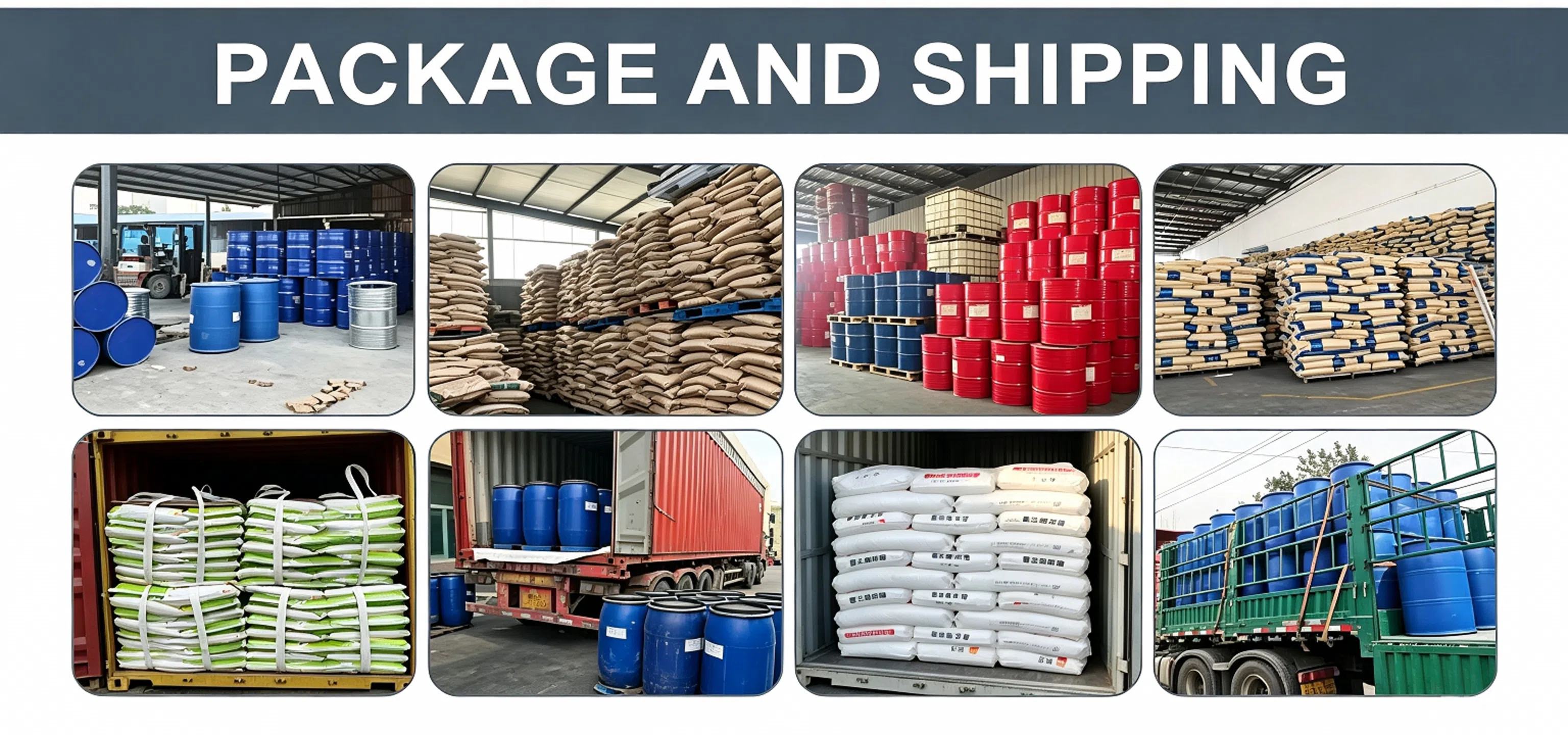
Package And Shipping