
1. Getting Clear on the Material
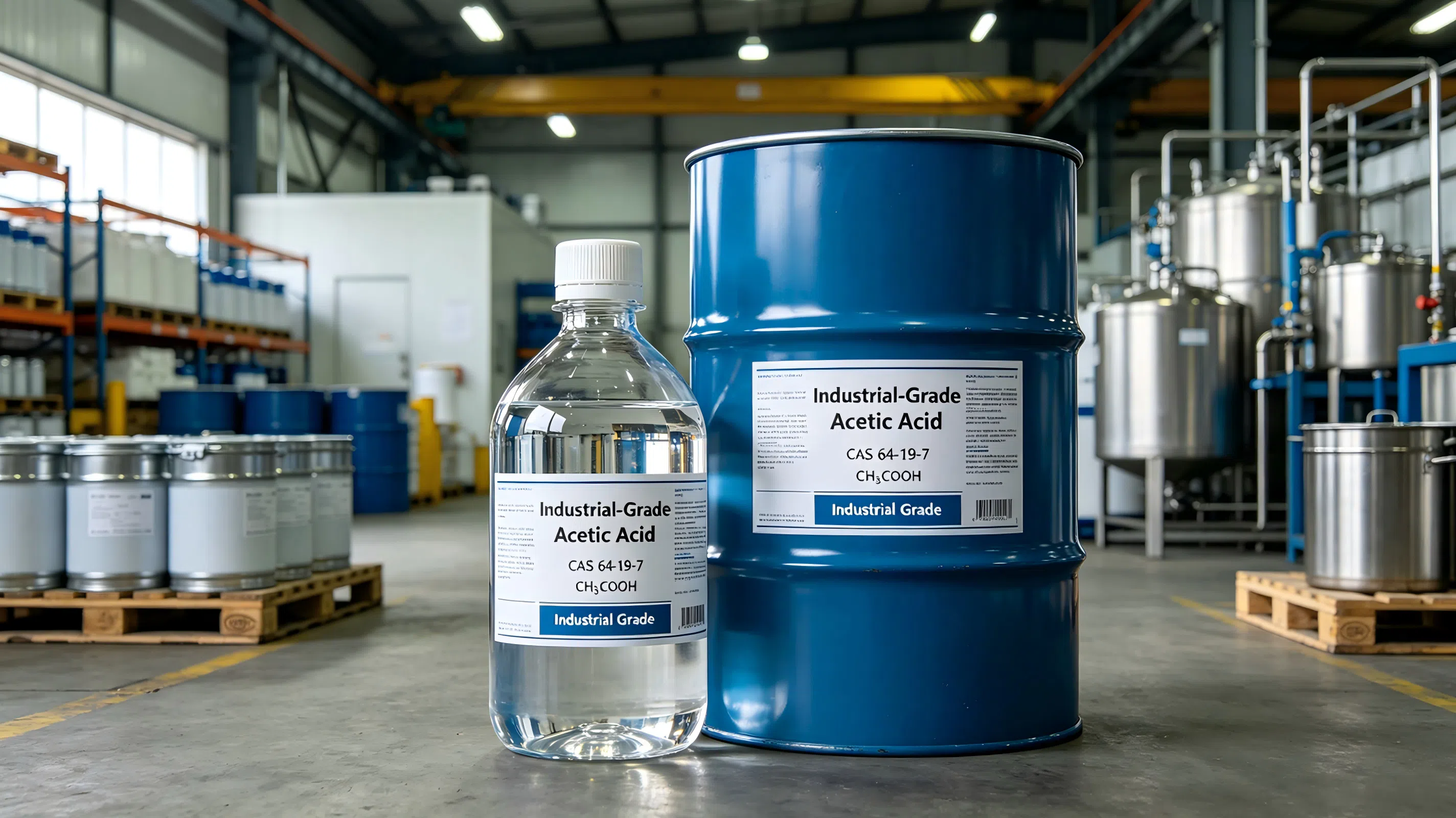
The other name for acetic acid — carries the CAS tag 64-19-7, the single reference that keeps procurement, QC and formulation staff reading from the same page. Verify that number first on any bulk order; it rules out similar acidic compounds and keeps documents consistent up and down the chain.
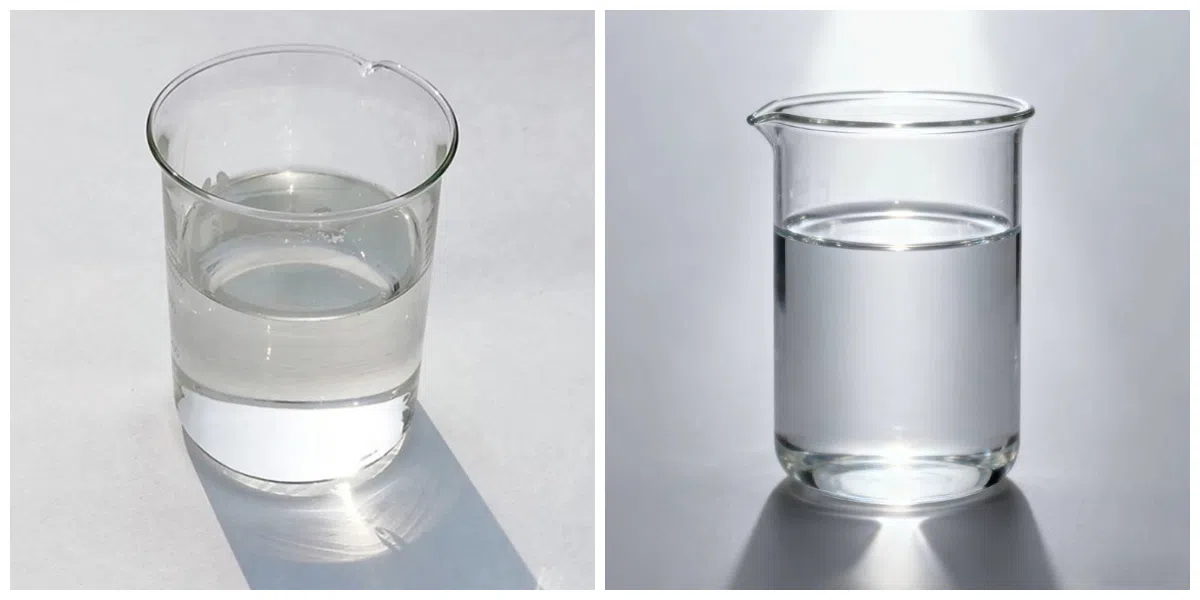
On its own, the pure liquid is colorless and carries a sharp, sour odor.
Formula CH₃COOH, molecular weight 60.05 g/mol. Commercial lots sit between 99% and 99.8%; cross 99% and the product is usually labeled "glacial," and most plants shipping that grade hand over lab reports before a buyer signs.
Handling hinges on a couple of physical facts.
It mixes fully with water, ethanol, ether and most organics. Boiling point 118 °C, freezing point about 16.6 °C — fall below that and the high-purity liquid freezes into ice-like crystals, the origin of the "glacial" label.
It is corrosive, so storage, shipping and contact all need care: resistant gloves, goggles and suits at minimum.
Typical specs span purity, water, heavy metals, residue on evaporation and color, with limits set by sector. A dye house tolerates standard purity; a resin maker needs impurities held far tighter. Every lot from a credible producer ships with a COA listing each result for cross-checking.
One trap
The industrial grade is not a substitute for food or pharma material. It allows slightly more trace impurities and is not cleared for direct food contact. Swapping grades can wreck a batch and, sometimes, cause incidents.
2. How It's Made
Methanol carbonylation runs the show now, favored for yield and steady quality.
Methanol and carbon monoxide react under heat and pressure with rhodium or iridium catalysts. Versus the old acetaldehyde-oxidation path, it makes fewer by-products, burns less energy and holds purity flat — why big plants standardized on it.
The line flows
Feed, catalyze, crude distill, strip impurities, fine-rectify, fill. CO and methanol meet in a sealed reactor and react continuously into crude acid, which still holds water, unreacted feed and minor organics. Tower distillation walks purity up to spec, then lab sign-off sends finished stock to tanks for packaging.
Control is constant.
Sensors watch temperature, pressure and composition live; each batch is sampled repeatedly before release — the gap between established operations and small shops. Top sites now add gas recovery, wastewater treatment and energy recycling to shrink their footprint and meet tighter rules in Europe and Southeast Asia. Buying from a compliant partner lowers your risk over time. Small regional units survive, but can't match the stability or cost of large continuous plants — so when you compare sources, press on capacity, process and QC, because unstable workshops end badly.
3. Where It Goes
This chemical is a backbone feedstock across manufacturing: both an acid and a building block, hard to drop from many steps.
Synthesis is the largest pull. It feeds vinyl acetate monomer (VAM), acetic anhydride, esters and salts that land in adhesives, coatings, paints and plastic additives. Textiles are next, using it as a pH regulator and dyeing aid to steady dye molecules and lift fastness. Treatment and cleaning are another big outlet — descalers and rust removers dissolve mineral buildup on pipes, boilers and equipment. Construction taps it in concrete systems to tune set time; tanneries use it to condition hides and hold pH.
Bulk also flows to pharma-intermediate sites. It can't enter medicines directly, but builds intermediates later purified. Printing and pigment makers use it heavily for manufacture and pH control.
Pick the grade to the job: plain descaling on standard stock, fine synthesis on high-purity glacial. A seasoned seller asks your end use first — that talk prevents expensive wrong picks.
4. Market Picture
Demand for 64-19-7 keeps rising on coatings, textiles, synthetics and treatment. Asia-Pacific leads in both output and use; China holds several large bases and exports worldwide.
Cost tracks feedstock, energy and freight. Methanol and natural gas drive it; regional shortages, plant turnarounds and shipping rates add swings. A sharp trader flags these and updates customers on price and stock so purchasing plans hold.
Green rules have redrawn the field. Small, dirty lines closed; capacity consolidated among fully permitted plants. That raises the bar and means fewer weak sources abroad — but more reason to vet a partner before a contract.
Regions differ. Southeast Asia climbs as its textile and coating base grows. Europe weights REACH and safety docs. Middle East and Latin America want cheap bulk in IBCs or tanks. Everywhere, buyers now value steady supply, on-time delivery and full paperwork — MSDS, COA, shipping certs — over the lowest quote, backing long-term partners who hold line when markets move.
5. Quality Checks and Buying Guide
Volume buys need a few checks to avoid disputes, hazards and late loads.
Paperwork first. A qualified source sends MSDS and COA per batch — the MSDS on hazards, handling and emergencies; the COA on tested values versus your spec. Before a big order, pull lab samples and run your own checks on purity, color and impurities. Worth it even with known sources.
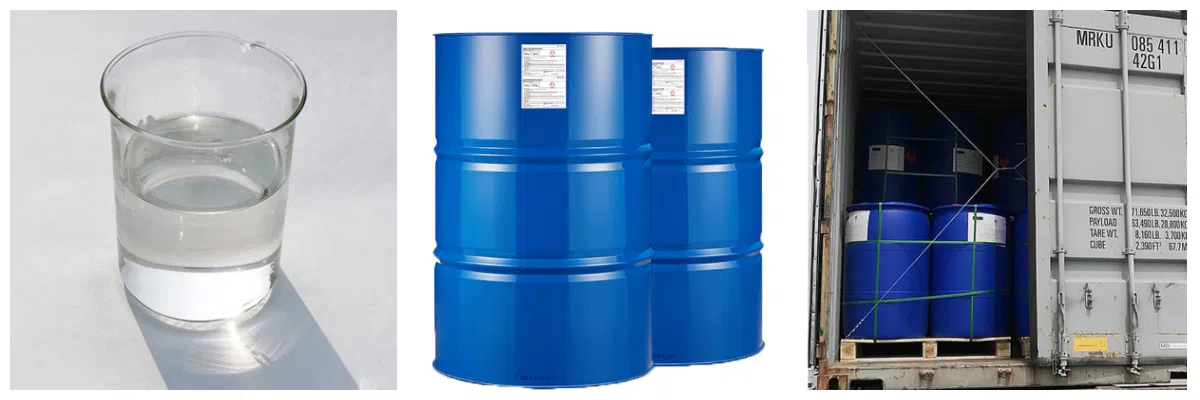
Packaging and freight. Corrosive and classed dangerous. Standard: 25 kg plastic drums, 1000 L IBCs, ISO tanks — all resistant and hazard-labeled. The source books DG carriers and files the right export declaration.
Qualify the source. Check production license, permits and registrations like REACH for Europe. Ask for audit photos or a line-and-lab video. Skip middlemen without batch COAs or steady stock; a real seller links you to certified plants and runs logistics.
Contract clarity. Set MOQ, lead time, terms, sampling and after-sales up front, with remedies if goods fail. Confirm whether price covers freight, customs and export fees — clear terms stop mix-ups once shipping starts.
Storage. Keep it cool and vented, away from oxidizers, strong alkali and food. Seal containers, ground against static, train staff before they handle it.
FAQ
Q1: Industrial vs glacial — what's the gap?
Glacial is the ≥99% form that freezes into crystals when cold. Industrial is the wider term for acid used in plants; glacial is one slice of it. A glacial-grade plant can point you to the right purity.
Q2: Is 64-19-7 risky to handle?
Yes — corrosive, with irritating vapor. Wear protection and follow DG rules for storage and shipping. Read the MSDS first.
Q3: Can it go into food?
No. Trace impurities fail food standards. Food work needs separately certified food-grade acid.
Q4: Bulk packaging options?
25 kg drums, 1000 L IBCs and ISO tanks, customizable to need.
Final Thoughts
CAS 64-19-7 stays an essential basic raw material across sectors. For dyeing, synthesis, cleaning or coatings, a dependable source keeps quality and the chain steady. Need industrial or glacial grade? Ask for samples, quotes and full technical docs.


