Product Description
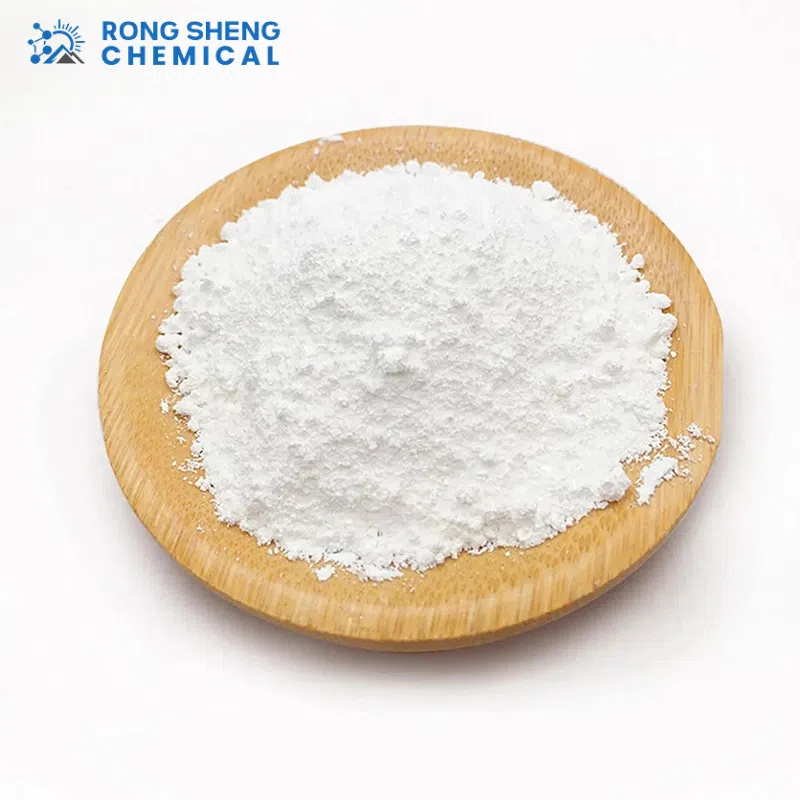
Alpha-amylase is a functional enzyme that hydrolyzes alpha glycosidic bonds in large alpha-linked polysaccharides, including starch and glycogen. It features a compact molecular structure and excellent stability, with strong tolerance to a variety of adverse environmental conditions.
This enzyme hydrolyzes starch and glycogen to produce maltose and glucose, which supports energy supply for human and animal organisms. Alpha-amylase widely exists naturally in numerous plants, animals and microorganisms.
Properties
| Melting point | 66-73 °C |
| density | 1.37[at 20℃] |
| vapor pressure | 0Pa at 25℃ |
| storage temp. | -20°C |
| solubility | H2O: soluble0.1mg/mL, clear, colorless |
| form | suspension |
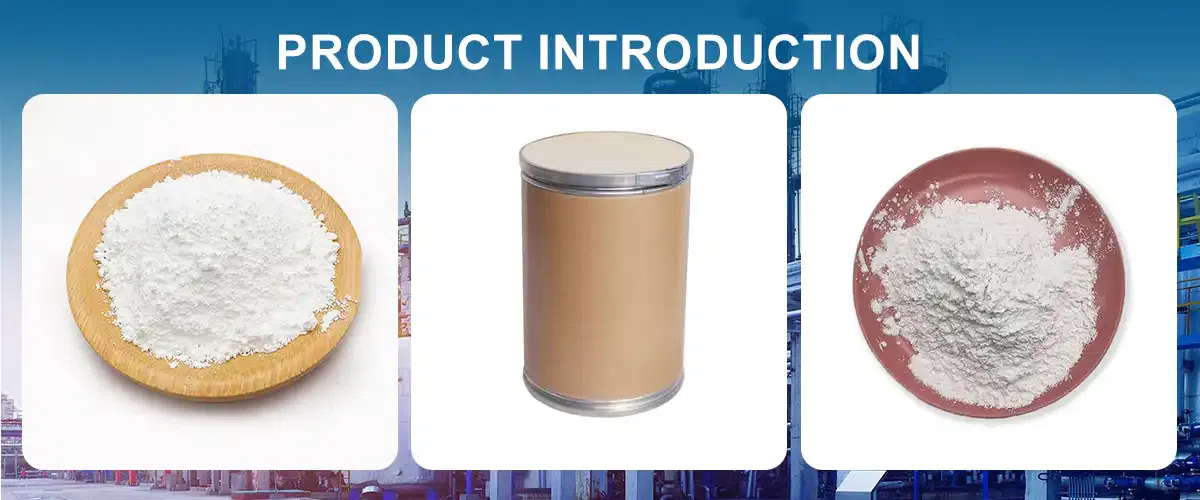
| color | yellow-brown |
| biological source | human pancreas |
| Water Solubility | 100g/L at 25℃ |
| Merck | 14599 |
| Specific Activity | 300-1,500units/mg protein |
| LogP | -1.3 at 20℃ |
| EPA Substance Registry System | Amylase, .alpha.- (9000-90-2) |
| Hazard Codes | Xn,B |
| Risk Statements | 42 |
| Safety Statements | 36-36/37-24-22-45-2-23 |
| WGK Germany | 3 |
| RTECS | BU7432500 |
| F | 37915 |
| HS Code | 35079090 |
Product Application
α-Amylase is widely adopted in multiple plant research applications, particularly for metabolic mechanism studies on Arabidopsis.
Human pancreatic α-amylase is commonly utilized to assess interfering substances that affect enzymatic detection methods for calcium quantification in serum and urine samples.
Additionally, Sigma-derived α-amylase can be applied to establish standard calibration curves for the performance evaluation of automated amylase detection systems based on forensic specimens.
Factory Tour

Package And Shipping