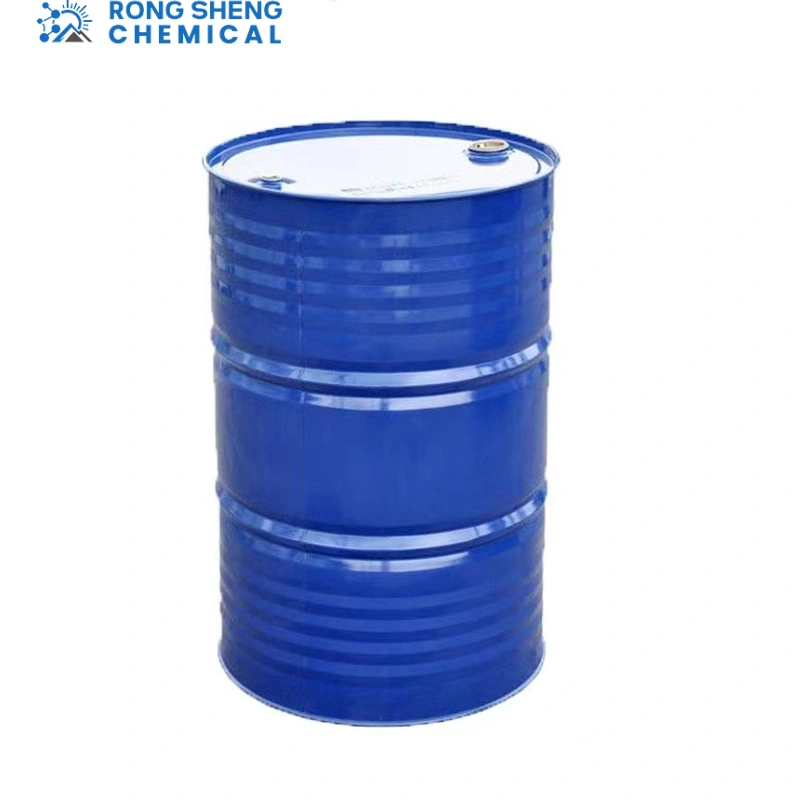
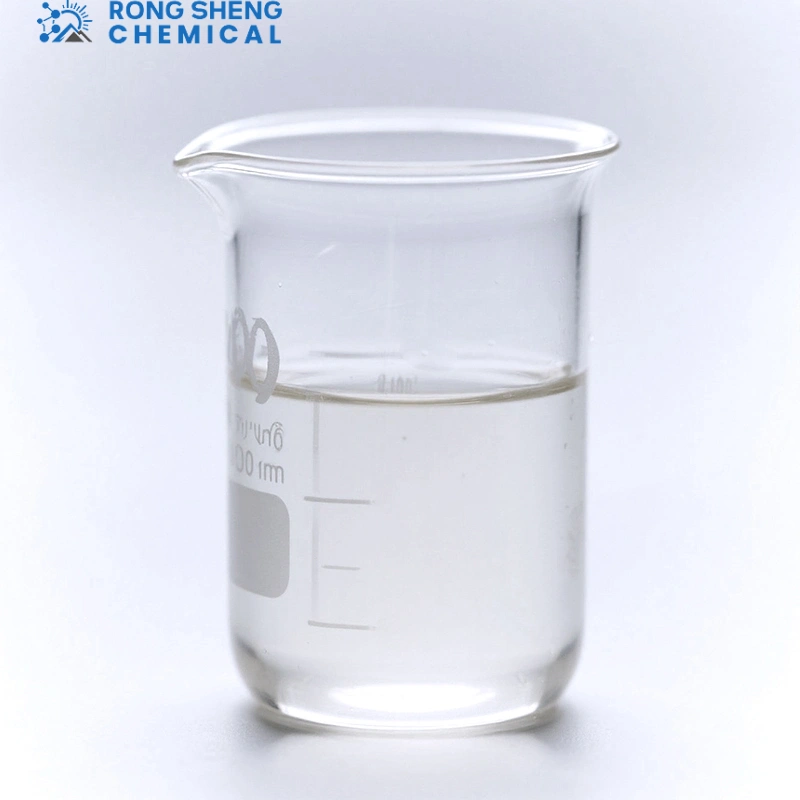
You run into glycerin every single day. The moisturiser you use in the morning. Cakes and confectionery sitting on supermarket shelves. Oral syrups and topical ointments from your pharmacy. Even many industrial resins and processing fluids rely on this thick, clear liquid.
Yet plenty of procurement staff get confused over its global regulatory picture. It faces no full‑scale ban anywhere, but there are sharp differences between industrial, food‑grade and pharma‑grade specifications. Rules in Europe draw clear lines between permitted end‑uses, and quality gaps between low‑cost crude‑derived material and high‑spec refined glycerin keep creating headaches for importers. Let’s break down what buyers actually need to know: how EU rules apply, where quality risks lie, and how the glycerin market looks in September 2026 for customers sourcing for cosmetics, food, pharmaceuticals and chemical synthesis.
What Is Glycerin, Exactly?
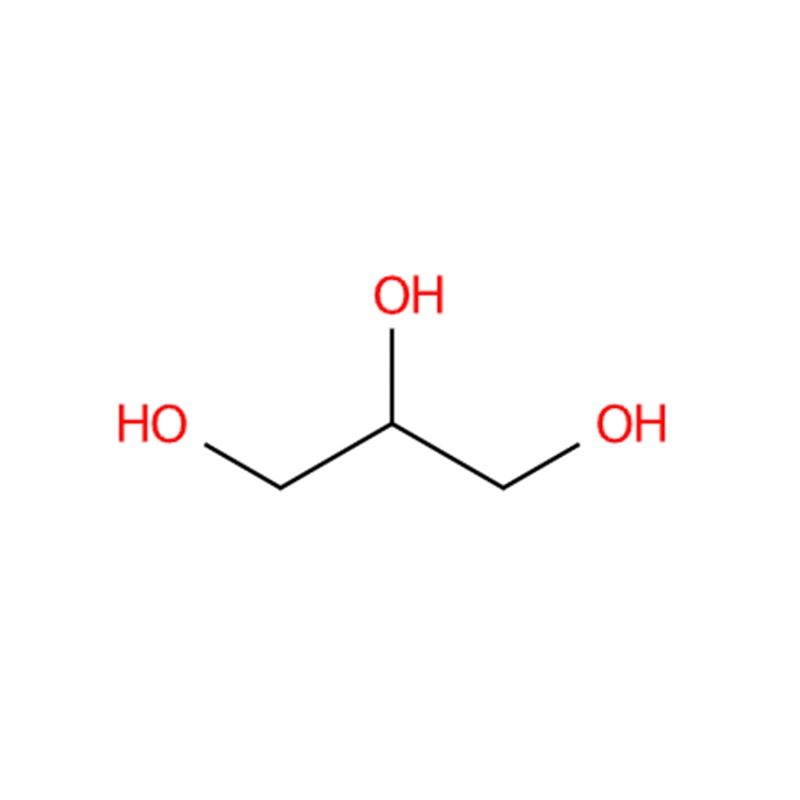
Glycerin, or glycerol, molecular formula C₃H₈O₃, CAS registry number 56‑81‑5. This CAS number will show up across every MSDS document for all commercial grades. Its formal IUPAC name is propane‑1,2,3‑triol, though almost nobody in bulk trade uses that formal term.
It rarely arrives as finished refined material straight out of nature. Most commercial glycerin comes as a by‑product from biodiesel production, generated when vegetable oils undergo transesterification. This crude glycerin feedstock then goes through multi‑stage distillation and polishing to produce refined glycerin, a colourless, sweet‑tasting viscous liquid with excellent humectant and solvent properties.
Two major source categories dominate world trade: bio‑based glycerin from plant oils, and synthetic glycerin derived from petrochemical feedstock. Bio‑based volumes make up the vast majority of global supply.
Within commercial trade we see three main grade groups:
- Industrial‑grade refined glycerin: typical purity around 99.5%, used for resins, alkyd synthesis, antifreeze and general technical processing.
- Food‑grade glycerin (E422): meets food additive specifications, controlled impurities, applied as humectant and sweetener across food products.
- Pharma / USP‑EP grade glycerin: tight limits for diethylene glycol, heavy metals and microbial content, intended for oral medicines, topical creams and medical excipient work.
One key detail for export teams: glycerin carries EU food additive identifier E422. This marking matters enormously for food‑related shipments, while it is irrelevant for purely industrial chemical orders.
EU Regulatory Position: No Ban, But Strict Specification Controls
Here is the plain‑language timeline without dense legal text.
For decades glycerin (E422) enjoyed wide acceptance across food, cosmetic and pharmaceutical applications in Europe. In 2023 the European Commission updated official specification limits under Regulation (EU) 2023/1329, tightening impurity thresholds especially for diethylene glycol for material used in food and pharmaEuropean C.... This was not a ban, but a hard update of quality benchmarks.
That update creates the contradictory situation many buyers stumble across today: ① Food applications EU: Glycerin E422 remains authorised for most food categories, but must satisfy the revised impurity specs. Shipments failing those limits get flagged via RASFF border alerts. Between 2024‑2026, multiple consignments of imported food products were rejected because incorporated glycerin did not meet EU specification thresholds. ② Pharmaceutical & cosmetic EU use: Fully permitted. Glycerin acts as a standard humectant, solvent and excipient in creams, toothpaste and oral medications. Cosmetic framework regulations allow its broad use, yet raw‑material impurity requirements still apply. ③ Purely industrial non‑food use EU: Fully legal. Resin manufacturing, antifreeze and chemical intermediate work face no usage ban, though REACH registration obligations still stand. ④ US, China, Japan, Australia: Food‑grade glycerin stays widely allowed, each region applying its own local purity and impurity limits.
Real‑world trade pain points keep popping up. Many suppliers ship industrial‑quality glycerin which works fine for chemical synthesis but cannot pass EU food or pharma impurity checks. If you ship finished goods containing glycerin for European food or cosmetic markets, do not assume “glycerin is glycerin” — always verify raw‑material test data.
Is Bulk Industrial‑Grade Glycerin Safe to Handle?
For plant operators, short answer: largely safe, but proper liquid‑chemical handling procedures still apply.
Food‑ and pharma‑grade safety assessments focus primarily on ingestion in finished consumer goods. Unlike fine pigment powders, inhalation risk is not the main concern for glycerin, as it is a liquid at ambient temperature. Spillage and skin/eye contact represent the main factory‑floor hazards.
There is no harmonised EU CLP carcinogen classification assigned to glycerin. Even so, poor‑quality crude glycerin may carry residual contaminants from biodiesel processing, which adds extra risk. REACH obligations oblige suppliers to submit full chemical‑safety reports for higher‑volume placements on the EU market.
Practical on‑site handling ground‑rules for glycerin liquid bulk transfers and drum work: ① Provide adequate ventilation in transfer and mixing zones, avoid prolonged vapour build‑up in enclosed spaces. ② Wear chemical‑resistant gloves and safety goggles during drum opening, pumping and sampling tasks. ③ Contain liquid spills; do not allow run‑off to enter drains un‑treated. Absorb spills with inert absorbent material. ④ Store drums and IBC tanks sealed, indoors, away from direct heat sources. Low‑grade crude glycerin can degrade and develop odour if stored improperly.
In short: treat glycerin like any standard industrial polyol liquid, not a high‑risk toxic compound.
Where Glycerin Volume Actually Flows
Cosmetics and personal‑care consume roughly 38% of global refined glycerin output. Walk through any personal‑care aisle and you will find glycerin listed on countless ingredient labels. Its strong humectant performance draws formulators: it locks‑in moisture in creams, lotions and wash‑off formulations without high cost.
Food ranks second at around 24% of total demand. It keeps bakery goods soft, retains moisture in processed meat, and delivers mild sweetness in confectionery.
Pharmaceutical applications take approximately 16% volume, serving as solvent and base for ointments, oral syrups and wound‑care products. Pharma buyers care far more about impurity control than simple glycerin percentage.
Industrial chemical applications make up the remaining share, with epoxy‑chlorohydrin production as one large‑volume outlet, alongside alkyd resin synthesis, antifreeze and textile processing aids.
There is a clear trade‑off in cost. Pharma‑EP / USP grade glycerin carries significant premium above basic industrial refined glycerin. Formulators will switch grades to cut costs wherever their end‑use specifications permit. That is where many quality‑related issues originate.
Sourcing High‑Purity Glycerin CAS#56‑81‑5: What Specifications Really Count
“Clear viscous liquid” is not a functional specification. Many buyers run into costly surprises when they only order against CAS number alone.
When comparing offers for refined glycerin, focus on these measurable parameters shown on Certificate of Analysis:
- Glycerin content (%): Industrial refined typically ≥99.5%; USP‑EP pharma grade commonly hits 99.7 % minimum.
- Impurity profile: Diethylene glycol limit is make‑or‑break for food and pharma orders. Heavy‑metal results (lead, arsenic, cadmium, mercury) must be reviewed.
Colour (APHA / Hazen value): Low APHA numbers mean near‑water‑clear material; higher colour points signal poor distillation or aged stock.
Acidity or alkalinity index, moisture content, residue on ignition.
- Source declaration: bio‑based versus synthetic; BSE‑TSE‑free statement for food‑pharma export shipments.
Always request batch‑specific COA before shipment. Batch‑to‑batch consistency matters. Once a cosmetic or pharmaceutical production line is calibrated to a certain APHA colour and impurity profile, switching to an un‑qualified cheaper source can trigger finished‑product rejection.
Important buying note for food‑contact articles: Glycerin going into food itself follows food‑additive E422 rules. If glycerin is used within food‑contact packaging components, separate food‑contact‑material regulations apply. Confirm destination‑market guidance before locking‑in your formulation.
September 2026 Market Numbers & Current Pricing Outlook
China’s glycerin market went through notable swings across the first eight months of 2026. Crude glycerin import volumes from Southeast Asia fluctuated month‑on‑month, influenced by biodiesel plant operating rates in Indonesia and Malaysia.
Through most of Q2 and Q3, ample crude arrivals kept industrial‑grade glycerin prices subdued. Many domestic refiners operated under pressure, as raw‑material costs did not fall as fast as selling prices. Inventories built‑up at ports and among local traders.
Heading into late September 2026 market snapshot:
- Industrial‑grade refined glycerin (99.5% min, bio‑based): domestic ex‑works quotes range 7800‑8600 CNY per tonne.
- Food‑grade glycerin meeting China GB2760: 8400‑9200 CNY / tonne.
- USP / EP dual‑compliant pharma‑grade glycerin: 9300‑10 800 CNY per tonne. Tight availability pushes premiums for low‑DEG material.
- FOB China export offers for standard industrial‑grade glycerin sit around **$1020‑1130 per metric tonne**. Food‑grade export adds $80‑120 premium; pharma‑grade adds further $180‑260 above food‑grade levels.
Market commentary: Profit margins remain thin for refiners. Crude glycerin import costs still offer bottom‑line support. Downstream industrial chemical demand remains uneven; epoxy‑chlorohydrin plant runs fluctuate, which creates variable offtake volumes. Cosmetic and pharma orders stay steady, less subject to short‑term market swings.
What comes next remains uncertain. Export enquiries have picked up modestly from South‑East Asia and Latin America. But port inventory has shifted over to traders and downstream end‑users, and this stock still needs to work its way through supply chains. Several industry watchers flag mid‑October to early November as a critical window: if end‑user consumption fails to pick‑up while refiners keep running output, spot prices could face renewed downward pressure.
Buyer take‑away: price floor looks loosely supported by feed‑stock costs, yet upside is limited. If you require Q4‑early‑2027 volumes, contract early but retain firm negotiation leverage, as spot transaction prices still have room to move.
Practical Buying Moves for Late September 2026
Three sensible steps for glycerin purchasers right now:
- Lock‑in Q4 contract volumes. Inventory levels can shift quickly once export demand strengthens; avoid full reliance on spot buying for pharma‑ and food‑grade material.
- Qualify an alternative secondary supplier. Quotes vary widely across refiners, especially for high‑purity EP‑USP stock. Obtain three formal offers before finalising contracts. Clearly distinguish industrial / food / pharma grade in your request.
- Fix all commercial terms on paper: specify ex‑works / FOB / CFR incoterms, required pharmacopoeia or food‑standard, mandatory impurity limits (especially diethylene glycol), and batch‑wise COA delivery requirement. Freight and customs duties can heavily change landed costs for export shipments.
Vetting Your Glycerin CAS#56‑81‑5 Supplier
Key credentials to verify before releasing payment:
- Reliably provides batch‑specific COA matching your required grade (industrial / food / pharma), with full impurity datasets.
- Is transparent about feedstock source: crude‑glycerin origin, bio‑based or synthetic production route.
- For export: can supply supporting documentation including REACH‑relevant data, food‑safety export certificates, origin statements. If purchasing via traders, write actual refinery plant name into your purchase contract.
- Prioritise refiners with stable distillation infrastructure. Small toll‑processing operations frequently struggle to hold consistent colour and impurity performance batch‑over‑batch.
Frequently Asked Questions
What is the CAS number for glycerin? CAS# 56‑81‑5. The same CAS number covers industrial, food‑grade and pharma‑grade glycerin on safety‑data sheets. Within EU food‑additive rules it is known as E422.
Has glycerin been banned in the European Union? No. Glycerin (E422) stays authorised for food, cosmetic and pharmaceutical use. The EU updated specification limits in 2023, tightening impurity thresholds rather than imposing a ban. Shipments failing those strict specs get rejected at EU borders. Pure industrial‑grade glycerin for chemical synthesis faces no usage ban.
What is the difference between industrial‑grade, food‑grade and pharma‑grade glycerin? All three share the same base chemical substance. The difference lies in impurity limits, distillation polishing and compliance documentation. Pharma‑EP‑USP glycerin applies the strictest controls for diethylene glycol, heavy metals and colour. Industrial‑grade material works for chemical synthesis but is not suitable for food or oral‑pharmaceutical formulations.
Can glycerin be used in toothpaste sold into the EU market? Yes. Glycerin is widely permitted within EU cosmetic regulations as humectant and solvent for oral‑care articles. Food‑additive E422 specifications do not apply to cosmetics, but raw‑material impurity controls still need to be respected.
The Bottom Line
EU measures for glycerin are a specification‑compliance story, not an outright ban. Industrial, cosmetic and pharmaceutical applications all remain fully legal across Europe and global markets. The bigger market story for September 2026 is the gap between weak industrial‑grade pricing and firm premiums for high‑quality food‑ and pharma‑grade glycerin. Downside for industrial material is partially cushioned by crude feed‑stock costs, but sharp price increases are unlikely without clear demand recovery.
Need current quotations for industrial, food‑grade or USP‑EP pharma‑grade Glycerin CAS#56‑81‑5? Send over your purity requirements, impurity limits and target monthly volume. We can deliver three comparable supplier offers within 48 hours, complete with full batch‑specific COA. Available export packaging options include drums and IBC intermediate bulk containers.