

Chances are you have come across calcium saccharin in daily goods without even noticing. Sugar‑free chewing gum, kids’ chewable tablets, low‑sodium table‑top sweeteners and premium toothpastes all make use of this high‑power sweetening ingredient.
Many procurement teams, however, find its global regulatory rules confusing. Sodium saccharin dominates bulk sweetener trades, while calcium saccharin fills a very specific gap for formulations where sodium content needs to stay low. This piece walks through its basic chemistry, EU and global compliance rules, practical end‑use requirements, plus real‑world market conditions as of September 2026, for buyers looking for food‑grade, pharma‑grade and oral‑care‑grade calcium saccharin.
Calcium Saccharin CAS#6485‑34‑3
What Exactly Is Calcium Saccharin?
A quick practical chemistry breakdown for sourcing professionals.
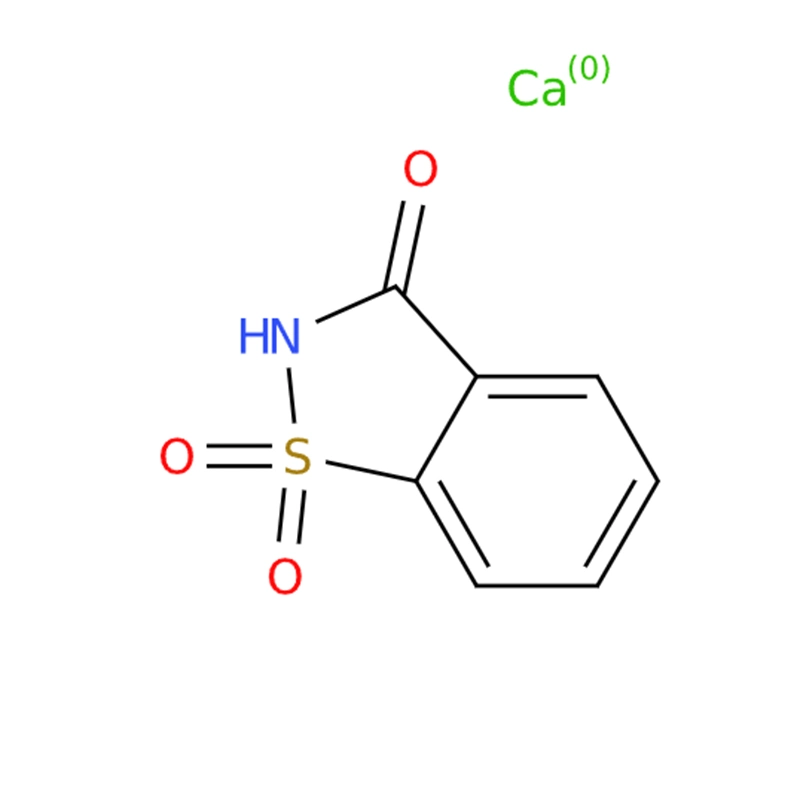
Calcium saccharin is the calcium salt of saccharin, with molecular formula C₁₄H₈CaN₂O₆S₂, CAS registry number 6485‑34‑3 and EINECS 229‑349‑9. Under EU food‑additive coding, it falls under E954 — this code covers saccharin alongside its sodium, potassium and calcium salts. Its full chemical name is calcium o‑benzosulphimide, though most trade paperwork simply refers to it as calcium saccharin.
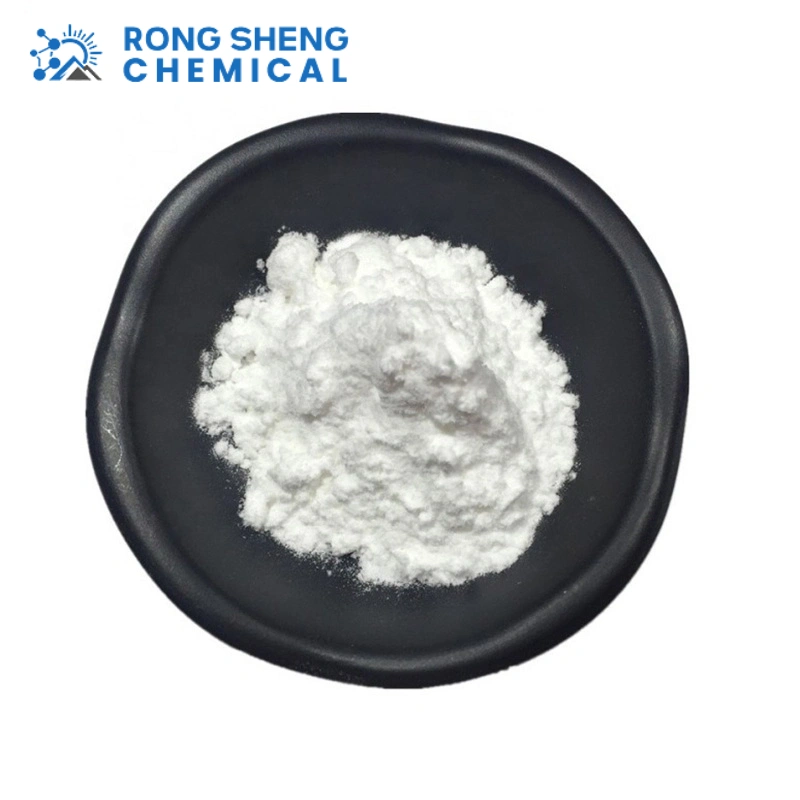
It appears as an odour‑free white crystalline powder. When diluted in solution, it can deliver sweetness 300‑500 times stronger than sugar, with zero calories. It holds up well under heat up to 150 °C and dissolves readily in water. Compared to the more common sodium saccharin, its biggest practical advantage lies in low‑sodium recipes. It also leaves behind a less noticeable metallic after‑taste, which makes it popular for oral‑care products and children‑targeted pharmaceuticals.
This material does not occur naturally. Producers first synthesise saccharin base, then neutralise it using calcium‑bearing raw materials. Two main commercial grades circulate across global markets:
- Food‑grade (EP/USP compliant): Tight controls over heavy metals and impurities. Used in drinks, confectionery and table‑top sweetener products.
- Pharma & oral‑care grade: Finer‑tuned particle size and stricter impurity limits. Common as a tablet excipient, in syrups, toothpaste and mouthwash to mask unpleasant bitter tastes from active drug ingredients.
It sees limited use in a handful of industrial applications such as battery electrolyte additives and drilling fluid auxiliaries, but these account for only a tiny share of overall consumption.
EU Rules: Approved, Yet Subject to Strict Usage Limits
Lots of buyers mix old safety debates with today’s actual regulatory requirements. Let’s sort out the facts without dense legal wording.
Decades ago, studies on lab rats raised global safety concerns for the whole saccharin family. In November 2024, EFSA finished its full re‑assessment for E954 (including calcium saccharin). Authorities concluded genotoxic risks could be ruled out for typical human exposure levels, and updated the acceptable daily intake (ADI) values accordingly.
Key takeaways for companies handling cross‑border shipments: ① EU food applications: Calcium saccharin is still permitted under E954 for 34 different food categories, with clear maximum usage limits varying per product type. For table‑top sweetener powder and tablets, manufacturers can use it as needed within good production practice. Even so, clean‑label consumer trends have eaten into real‑world consumption in Western Europe; many local consumer‑goods brands voluntarily switch over to plant‑based sweetener alternatives. It is not banned for food use within the EU. ② EU pharmaceutical and cosmetic products: Fully allowed. Calcium saccharin is widely used as a taste‑masking excipient for oral medicines and toothpaste, and qualifies as a sensory additive for lip and oral‑care items under cosmetic regulations. ③ Border compliance pitfalls: RASFF system alerts keep popping up for incorrectly labelled sweetener salts. Multiple notifications logged between 2025 and 2026 pointed to imported confectionery containing calcium saccharin that failed to list E954 on packaging. If you ship reduced‑sugar finished goods into EU territories, double‑check labelling requirements when calcium saccharin forms part of your formula. ④ Other major markets: The US FDA lists calcium saccharin as GRAS. China’s GB‑2760 standard allows its use for defined food categories. Japan and Australia also permit food‑grade application subject to local dosage caps.
A common misconception: past worries over bladder tumours stemmed from metabolic responses unique to male lab rats. Research has confirmed this mechanism does not apply to humans, supporting EFSA’s positive 2024 review outcome.
Safety & On‑Site Handling Guidance
For factory floor staff: calcium saccharin powder poses low overall hazard, yet basic dust management remains necessary.
Safety assessments for food and pharma focus on ingestion through finished end‑products, not breathing in raw powder. EU CLP rules do not assign a harmonised carcinogen warning label to calcium saccharin dust. Even so, repeated inhalation of fine crystalline dust should still be avoided.
Practical working guidelines for bulk‑powder handling:
- Fit local exhaust ventilation at bag‑opening stations, mixing points and material transfer lines to cut airborne dust levels.
- Wear disposable dust masks, gloves and safety goggles during bag‑handling and manual material operations.
- Never sweep spilled dry powder. Use industrial vacuum cleaners or carry out wet wiping for clean‑up.
- Keep goods sealed in dry storage away from direct heat. High‑humidity environments will cause caking and create flow issues on your production line.
Treat calcium saccharin much like fine food‑grade sugar: follow standard good hygiene practices, no extreme hazard protocols required.
Major End‑Use Sectors for Calcium Saccharin
Sodium saccharin makes up roughly 72 % of total global saccharin output. Calcium saccharin represents a smaller but fast‑growing niche segment, forecast to see 5.98 % compound annual growth from 2026‑2031. Growth is mostly driven by pharmaceutical and premium oral‑care demand, rather than mainstream food production.
Breakdown of calcium saccharin consumption:
- Pharmaceutical excipients (~42 %): Chewable tablets, paediatric oral suspensions and syrups. Where formulas need low‑sodium content, calcium saccharin is preferred over sodium saccharin to cover bitter‑tasting active ingredients.
- Oral‑care & personal‑care (~28 %): High‑end toothpaste, mouthwash and lip‑care formulations. Its weaker metallic after‑taste gives it an edge compared with sodium saccharin.
- Food and table‑top sweeteners (~22 %): Low‑sodium sweetener tablets for special diets, sugar‑free candy and certain beverage premixes. Volumes in food applications sit well below sodium saccharin.
- Special‑purpose industrial uses (~8 %): Battery and drilling fluid additives, these are low‑volume applications.
Formulators typically opt for calcium saccharin when sodium levels in the final product must stay low. Where sodium is not a concern, sodium saccharin usually delivers better cost performance.
What Specifications to Check When Sourcing High‑Purity Calcium Saccharin CAS#6485‑34‑3
Descriptions such as “white crystalline powder” are not sufficient product specs. Many buyers run into quality inconsistencies if they place orders referencing only the CAS number. When requesting quotes for food‑grade or pharma‑grade calcium saccharin, make sure the supplier provides these key figures within the Certificate of Analysis (COA):
- Assay (anhydrous basis): Minimum 95.0 % for EP‑compliant material.
- Loss on drying / moisture content — critical to prevent caking during storage.
- Heavy‑metal testing covering lead, arsenic, cadmium and mercury; acceptable thresholds differ for food‑grade versus pharmacopoeia‑grade material.
- Aqueous‑solution pH value, insoluble matter, sulphate and chloride impurity levels.
- Particle‑size distribution: heavily impacts dispersion performance in syrups, toothpaste and tabletting work. Pharma‑grade material normally demands tighter particle‑size control.
Always ask for batch‑specific COA documents before shipment arrives. Batch consistency matters. Once your oral‑care or pharmaceutical production line is calibrated for one particle profile, switching suppliers without proper qualification can lead to specks, poor dissolution or tabletting defects.
One note for procurement teams dealing with food‑contact packaging: calcium saccharin added into food itself must follow food‑additive rules. If it forms part of packaging materials, separate food‑contact‑material regulations apply. Confirm local market guidance before locking in your formula.
September 2026 Market Figures & Price Trends
China is the world’s primary export hub for saccharin‑series products. Calcium saccharin market dynamics here differ noticeably from bulk sodium saccharin.
Through the first half of 2026, overall saccharin plant operating rates remained moderate. Inventories built up for sodium saccharin. Supplies of calcium saccharin stayed comparatively tight, as most facilities run campaign‑based production: lines switch back and forth between sodium saccharin and calcium saccharin batches instead of running calcium saccharin non‑stop.
Mid‑September 2026 market snapshot:
- Food‑grade calcium saccharin (EP standard): domestic ex‑works prices range 28 500‑32 000 CNY / tonne.
- Pharma‑ / oral‑care grade (dual USP/EP compliance, controlled particle size): 34 000‑38 500 CNY / tonne. Fine‑mesh, low‑impurity material commands extra premiums.
- FOB China export quotes for food‑grade calcium saccharin sit mostly at **$3 950‑4 400 per metric tonne**. Pharma‑grade export material adds a further $600‑900 premium above food‑grade pricing.
Market feedback: upstream raw‑material costs stay high for saccharin synthesis. While sodium saccharin sees frequent inventory‑driven price swings, calcium saccharin’s batch‑mode production underpins a firmer price floor. Downstream demand is steady rather than booming: pharma‑excipient orders hold stable, and oral‑care OEM enquiries have picked up in Q3 2026 ahead of year‑end production cycles. Food‑sector demand remains soft, squeezed by competing clean‑label sweetener alternatives.
Industry outlook for Q4 2026: If manufacturers prioritise higher‑volume sodium saccharin production runs, calcium saccharin supplies will stay constrained. Spot‑supply shortages may surface from late October through November. There is limited room for prices to drop, yet upside potential is held back by slow growth within food‑end markets.
For procurement teams needing volumes for pharma or oral‑care production covering Q4‑2027 Q1: lock in contract volumes early; do not rely purely on spot purchases.
Practical Buying Advice for Late September 2026
Three actionable tips for calcium saccharin purchasers:
- Secure Q4 contract volumes in advance. Campaign‑style manufacturing means sudden order surges can push lead‑times out to 4‑6 weeks.
- Qualify at least one alternative supplier. Price gaps between different manufacturers remain wide; collect three formal quotes before signing contracts. Be clear whether you are sourcing food‑grade or pharma‑grade material, as price differences are substantial.
- Put all pricing terms in writing: specify ex‑works / FOB / CFR incoterm rules, pharmacopoeia standard (EP / USP), target particle‑size range and the requirement to provide batch‑specific COA for each delivery. Freight and customs duties can significantly alter final landed costs for export shipments.
Vetting Calcium Saccharin CAS#6485‑34‑3 Suppliers
Check these points before releasing payments:
- Able to issue COAs matching your required grade (food‑grade or pharma‑grade), aligned with relevant pharmacopoeia specifications.
- Be transparent regarding campaign‑batch production reality. Calcium saccharin rarely comes from continuous production lines, so confirm realistic manufacturing lead‑times.
- For export trades: provide full customs documentation and food‑safety export certificates. If buying via traders, add the actual manufacturing plant name into your purchase contract.
- Prioritise suppliers with established saccharin production capacity and stable upstream raw‑material arrangements. Small toll processors often struggle to keep particle‑size performance consistent batch‑to‑batch.
Frequently Asked Questions
What is the CAS number for calcium saccharin? CAS# 6485‑34‑3. Under EU regulations it falls within the E954 additive group, shared with sodium saccharin and potassium saccharin.
Has calcium saccharin been banned across the EU? No. It remains authorised as part of the E954 food‑additive family. EFSA’s November 2024 re‑assessment confirmed its safety when used within permitted limits. Many food brands voluntarily drop it for clean‑label marketing, but there is no formal regulatory ban for food, pharmaceutical or cosmetic uses.
How does calcium saccharin differ from sodium saccharin? Calcium saccharin delivers strong sweetness without introducing sodium ions, so it fits low‑sodium‑diet products, paediatric medicines and high‑end oral‑care goods. Sodium saccharin is more cost‑effective for general‑purpose food sweetening but adds sodium to finished formulas.
Can calcium saccharin go into toothpaste sold within the EU? Yes. EU cosmetic rules allow calcium saccharin as a taste‑modifying additive for oral‑care goods. E954 food‑additive restrictions do not apply to cosmetic finished products, though impurity limits must still be respected.
Bottom‑Line Summary
From a regulatory standpoint, calcium saccharin CAS#6485‑34‑3 receives clear approval in the EU; it fills niche low‑sodium‑formula applications rather than mass‑market food sweetening. Pharma excipient and premium oral‑care sectors represent its fastest‑growing end‑markets.
For Q4 2026 procurement, supply risks stem from campaign‑batch production cycles instead of raw‑material shortages. Secure fixed‑term contract volumes and strictly enforce grade specifications together with full COA documentation.
Looking for current quotations for food‑grade or pharma‑grade Calcium Saccharin CAS#6485‑34‑3? Send over your pharmacopoeia requirements, particle‑size targets and monthly consumption volume. We can source three comparable supplier offers within 48 hours, complete with batch‑specific COA, available for export in 25 kg bags or jumbo sacks.
Next Article: Industrial‑Grade Sodium Saccharin: Sourcing & Compliance for Bulk Buyers (CAS# 128‑44‑9)


