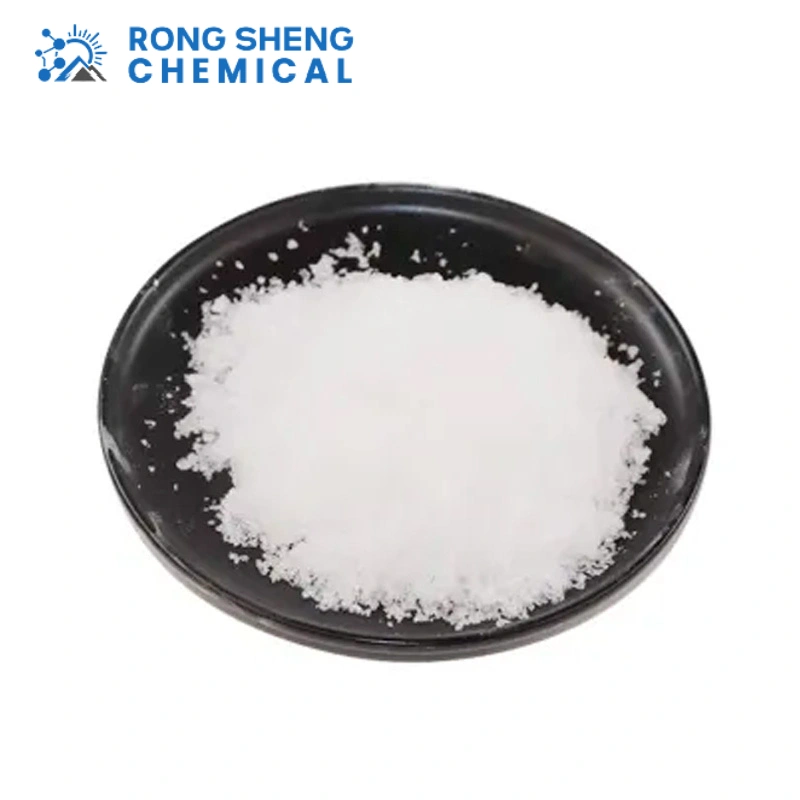
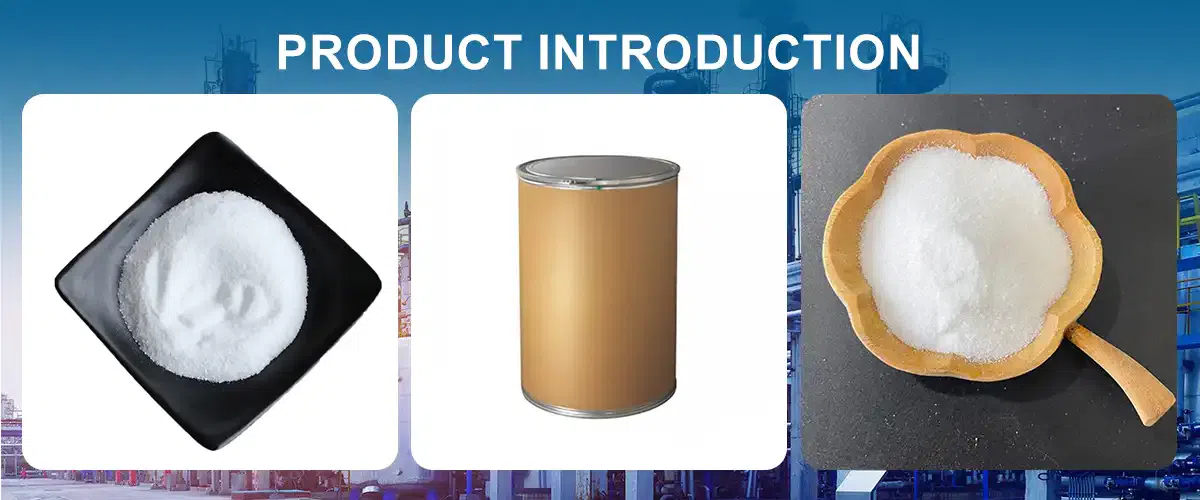
Product Description
Fructose consumption has risen substantially over recent decades, a trend linked to the increasing prevalence of metabolic disorders. As a naturally occurring monosaccharide, fructose is abundantly found in fruits. In Western dietary patterns, sucrose (table sugar) and high-fructose corn syrup (HFCS) serve as the primary dietary sources of fructose.
During digestion, sucrose is enzymatically hydrolyzed into one molecule of fructose and one molecule of glucose. In comparison, HFCS consists of free fructose and glucose in variable ratios. HFCS-55, one of the most prevalent variants utilized in the United States, is composed of approximately 55% fructose, 42% glucose, and 3% oligosaccharides, rendering it a highly popular sweetener for beverage production.
Properties
| Melting point | 119-122 °C (dec.)(lit.) |
| alpha | -92.25 º (c=10,H2O,on dry sub.) |
| Boiling point | 232.96°C (rough estimate) |
| density | 1.59 |
| bulk density | 700-800kg/m3 |
| refractive index | -92 ° (C=4, H2O) |
| storage temp. | room temp |
| solubility | H2O: 1 M at 20 °C, clear, colorless |
| form | Crystals or Crystalline Powder |
| pka | pKa (18°): 12.06 |
| color | White |
| PH | 5.0-7.0 (25℃, 0.1M in H2O) |
| Odor | at 100.00 %. odorless |
| Odor Type | odorless |
| biological source | natural (organic) |
| Optical Rotation | [α]20/D 93.5 to 91.0°, c = 10% in H2O |
| Water Solubility | 3750 g/L (20 ºC) |
| λmax | λ: 260 nm Amax: 0.04 |
| λ: 280 nm Amax: 0.04 | |
| Merck | 144273 |
| BRN | 1239004 |
| Stability: | Stable. Incompatible with strong oxidizing agents. |
| Major Application | pharmaceutical (small molecule) |
| Cosmetics Ingredients Functions | HUMECTANT |
| Cosmetic Ingredient Review (CIR) | D(-)-Fructose (57-48-7) |
| InChI | 1S/C6H12O6/c7-1-3(9)5(11)6(12)4(10)2-8/h3,5-9,11-12H,1-2H2/t3-,5-,6-/m1/s1 |
| InChIKey | LKDRXBCSQODPBY-GWVKGMJFSA-N |
| SMILES | OC[C@@H](O)[C@@H](O)[C@H](O)C(=O)CO |
| LogP | -1.029 (est) |
| CAS DataBase Reference | 57-48-7(CAS DataBase Reference) |
| NIST Chemistry Reference | «beta»-D-Fructose(57-48-7) |
| EPA Substance Registry System | D-Fructose (57-48-7) |
Safety Information
| Hazard Codes | C |
| Risk Statements | 34 |
| Safety Statements | 24/25-45-36/37/39-27-26 |
| WGK Germany | 3 |
| RTECS | LS7120000 |
| F | 3 |
| Autoignition Temperature | 360 °C |
| TSCA | TSCA listed |
| HS Code | 17025000 |
| Storage Class | 11 - Combustible Solids |
Product Application
Fructose is a naturally-occurring monosaccharide sweetener present in fruits and honey. It may be manufactured via enzymatic inversion of sucrose with invertase, or through the isomerization of corn syrup.
Featuring a relative sweetness of roughly 130-180 versus sucrose (where sucrose is assigned a value of 100), fructose exhibits high water-solubility and is extensively applied as a sweetening agent. In baked goods, it reacts with amino acids to deliver favourable browning effects.
Fructose is also widely employed as a nutritive sweetener for low calorie beverages. It is sometimes known as levulose or fruit sugar.
Factory Tour

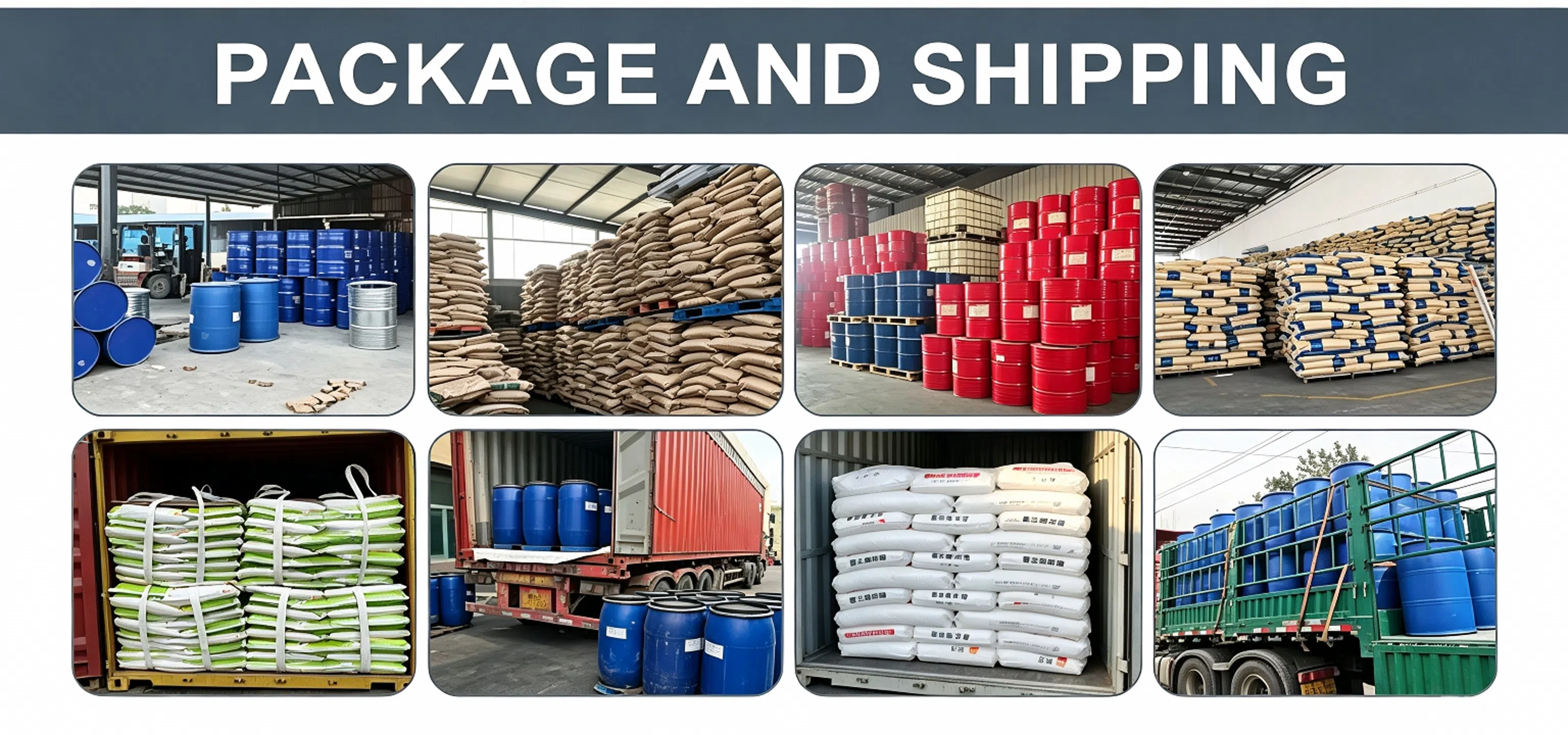
Package And Shipping