Product Description
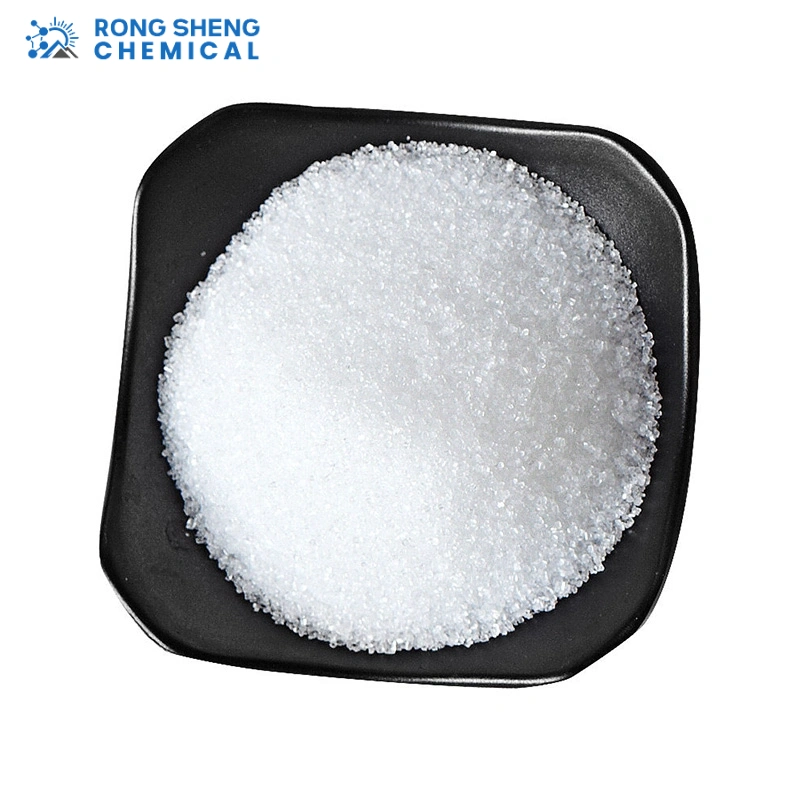
Sucrose is a natural carbohydrate sourced from common plant materials, including sugar cane (Saccharum officinarum L., Gramineae family) and sugar beet (Beta vulgaris L., Chenopodiaceae family). The product is additive-free with pure intrinsic composition.
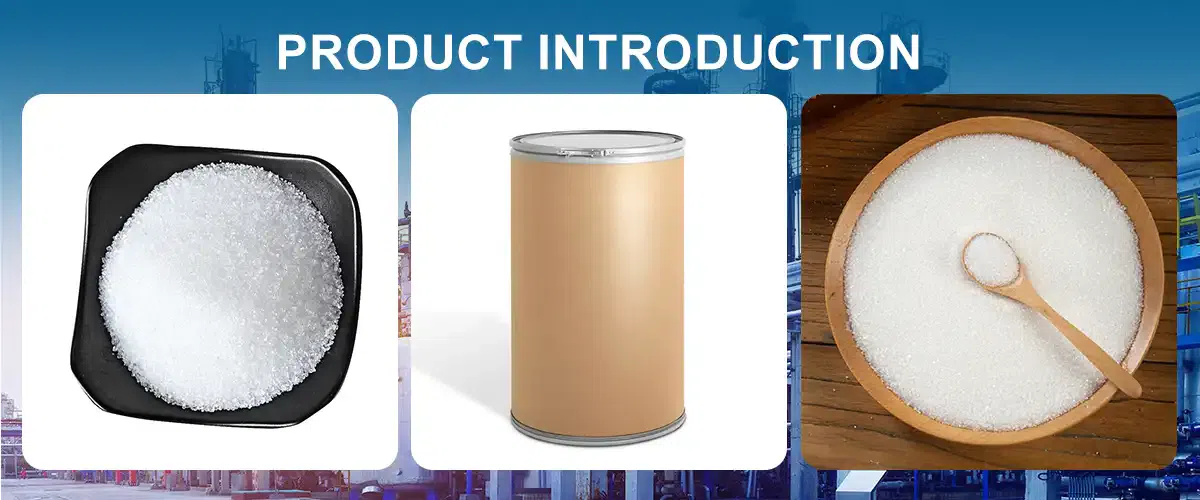
It is commercially available in multiple physical forms: colorless crystals, crystalline masses, solid blocks, and fine white crystalline powder. Sucrose is odorless and features a pure, characteristic sweet taste.
Properties
| Melting point | 185-187 °C (lit.) |
| alpha | 67 º (c=26, in water 25 ºC) |
| Boiling point | 397.76°C (rough estimate) |
| bulk density | 800-950kg/m3 |
| density | 1.5805 |
| refractive index | 66.5 ° (C=26, H2O) |
| Fp | 93.3°C |
| storage temp. | Inert atmosphere,Room Temperature |
| solubility | H2O: 500 mg/mL |
| form | Liquid |
| pka | 12.7(at 25℃) |
| color | White |
| PH | 5.0-7.0 (25℃, 1M in H2O) |
| Odor | Odorless |
| PH Range | 5.5 - 7 at 342 g/l at 25 °C |
| biological source | sugar cane |
| Optical Rotation | [α]25/D +66.3 to +66.8°(lit.) |
| Water Solubility | 1970 g/L (15 ºC) |
| λmax | λ: 260 nm Amax: 0.11 |
| λ: 280 nm Amax: 0.08 | |
| Merck | 148881 |
| BRN | 90825 |
| Exposure limits | ACGIH: TWA 10 mg/m3 |
| OSHA: TWA 15 mg/m3; TWA 5 mg/m3 | |
| NIOSH: TWA 10 mg/m3; TWA 5 mg/m3 | |
| Dielectric constant | 3.3(Ambient) |
| Stability: | Stable. Combustible. Incompatible with strong oxidizing agents. Hydrolyzed by dilute acids and by invertase. |
| Cosmetics Ingredients Functions | HUMECTANT |
| SKIN CONDITIONING | |
| SOOTHING | |
| InChI | 1S/C12H22O11/c13-1-4-6(16)8(18)9(19)11(21-4)23-12(3-15)10(20)7(17)5(2-14)22-12/h4-11,13-20H,1-3H2/t4-,5-,6-,7-,8+,9-,10+,11-,12+/m1/s1 |
| InChIKey | CZMRCDWAGMRECN-UGDNZRGBSA-N |
| SMILES | OC[C@H]1O[C@H](O[C@]2(CO)O[C@H](CO)[C@@H](O)[C@@H]2O)[C@H](O)[C@@H](O)[C@@H]1O |
| LogP | -4.492 (est) |
| CAS DataBase Reference | 57-50-1(CAS DataBase Reference) |
| NIST Chemistry Reference | Sucrose(57-50-1) |
| EPA Substance Registry System | Sucrose (57-50-1) |
| Absorption | ≤0.100 at 280nm |
| ≤0.120 at 260nm |
Safety Information
| Hazard Codes | Xi |
| Risk Statements | 36/37/38 |
| Safety Statements | 24/25-37/39-26 |
| OEB | B |
| OEL | TWA: 10 mg/m3 (total) |
| WGK Germany | 2 |
| RTECS | WN6500000 |
| F | 3 |
| TSCA | TSCA listed |
| HS Code | 17019910 |
| Storage Class | 11 - Combustible Solids |
| Hazardous Substances Data | 57-50-1(Hazardous Substances Data) |
| Toxicity | LD50 orally in Rabbit: 29700 mg/kg |
Product Application
Sucrose is extensively utilized in oral pharmaceutical formulations. Sucrose syrup, with a typical sucrose concentration of 50–67% w/w, serves as a binding agent for wet granulation in tablet production. In powdered form, sucrose acts as a dry binder at a dosage of 2–20% w/w, and also functions as a bulking agent and sweetener for chewable tablets and lozenges. Notably, tablets formulated with high sucrose content may exhibit excessive hardness, which can result in sunsatisfactory disintegration performance.
Sucrose syrup at 50–67% w/w is also commonly employed as a tablet coating agent. At elevated concentrations, partial sucrose inversion may occur, which increases complexity during the sugar-coating process.
Furthermore, sucrose is widely adopted as a formulation vehicle in oral liquid preparations to enhance palatability and increase solution viscosity. It also serves as a stabilizing excipient for freeze-dried protein formulations.
In addition to pharmaceutical applications, sucrose is broadly used in the food and confectionery industries. It is also applied in therapeutic sugar pastes for auxiliary wound healing treatment.
Factory Tour

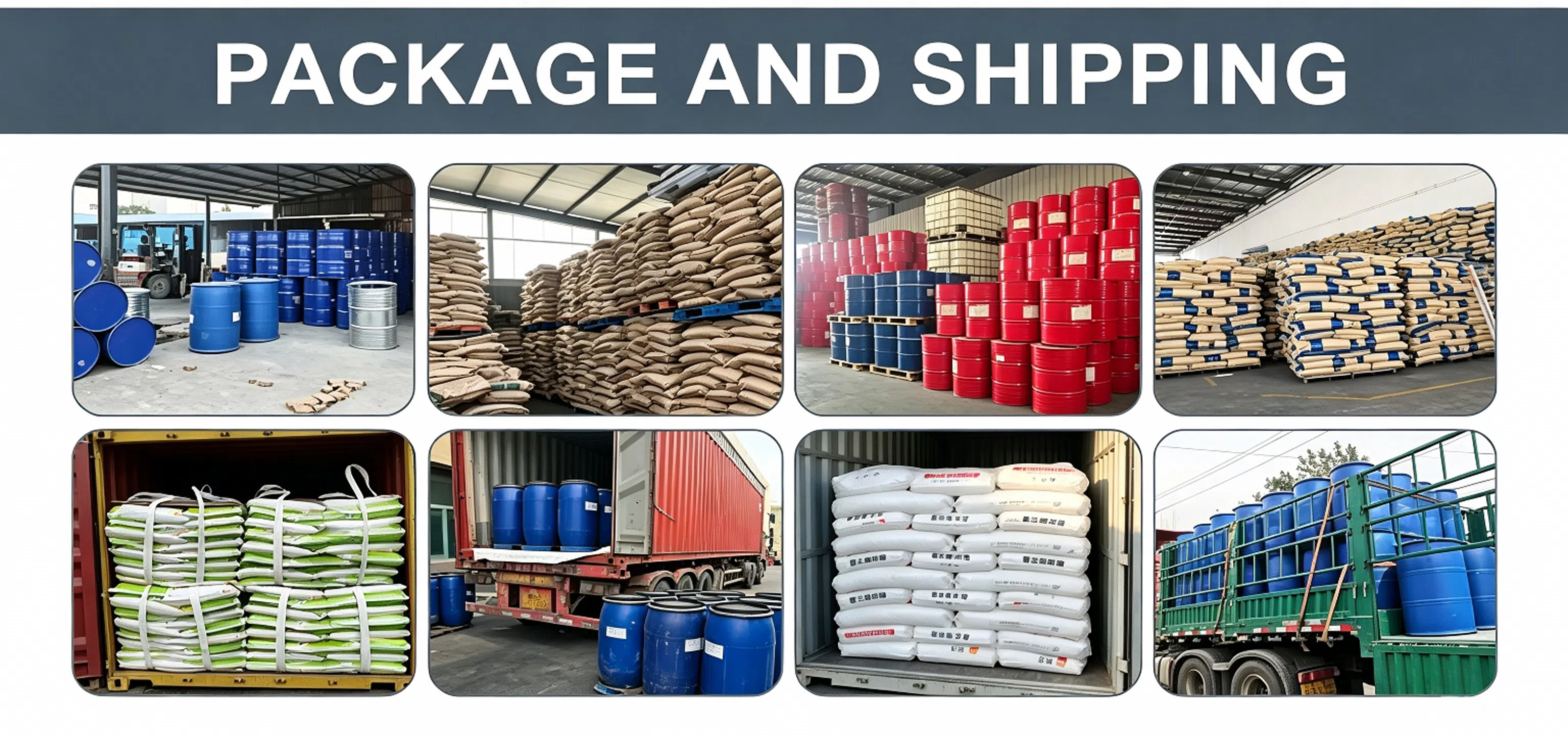
Package And Shipping