Product Description
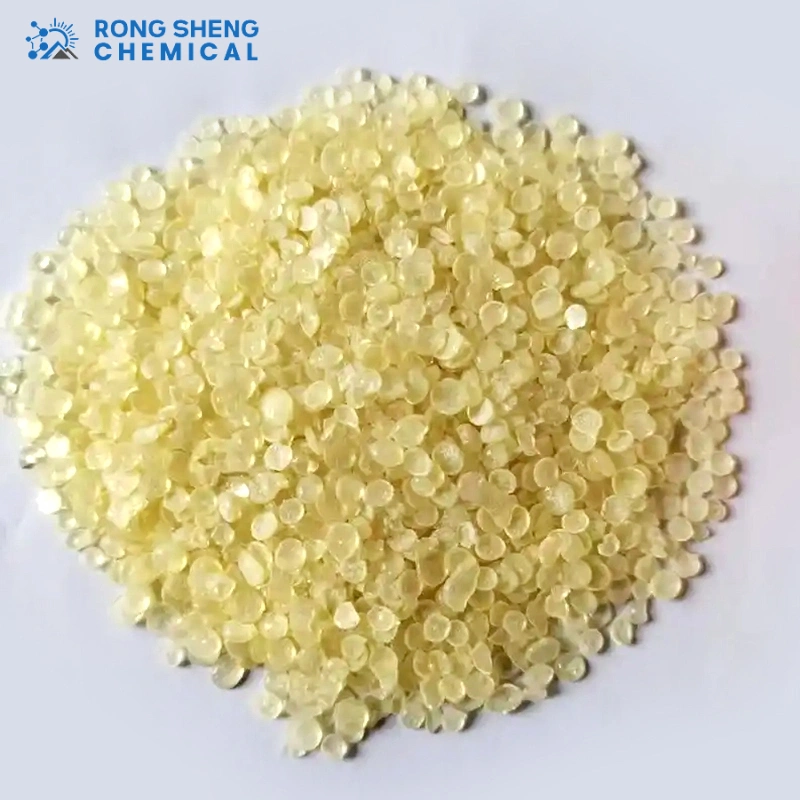
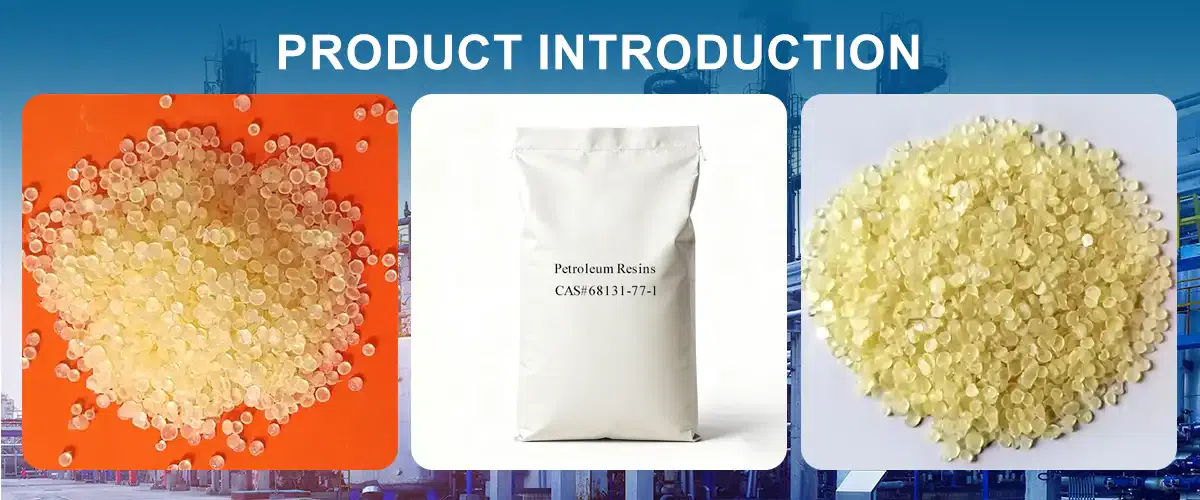
Petroleum resin is obtained through processes such as pre-treatment, polymerization, and distillation of C5 and C9 fractions, which are by-products of petroleum cracking. These fractions contain unsaturated compounds, including olefins, cycloolefins, and aromatics, which can polymerize under specific conditions to form oligomers with molecular weights ranging from 300 to 3000, resulting in the final petroleum resin product.
Properties
| Product Name: | Petroleum resins |
| Synonyms: | distillates, petroleum, steam cracked, polymerised;hydrocarbon resin (unspecified);C9 petroleum resin;Distillates (petroleum), steam-cracked, polymd.;Aliphatic hydrocarbon resins;Petroleum resins;C5 Petroleum Resin (Hydrocarbon Resin) Tx-1302 |
| CAS: | 68131-77-1 |
| MW: | 0 |
| EINECS: | 265-116-8 |
| Mol File: | Mol File |
| EPA Substance Registry System | Distillates (petroleum), steam-cracked polymd. (68131-77-1) |
Product Application
Petroleum resins are primarily applied in the coatings industry, serving as reinforcing agents for synthetic latex coatings and enhancing gloss and adhesion in the production of oil-based varnishes. They are also used as a coating for hot-melt adhesive paper, contributing to the manufacture of water-resistant corrugated boards. Additionally, petroleum resins are combined with chlorinated paraffins and surfactants to produce architectural coatings, and they find widespread use in printing inks and adhesives.
Petroleum resin is a recently developed chemical product that offers several advantages, including low cost, excellent miscibility, a low melting point, and strong resistance to water, ethanol, and chemicals.
Factory Tour

Package And Shipping