
Product Description
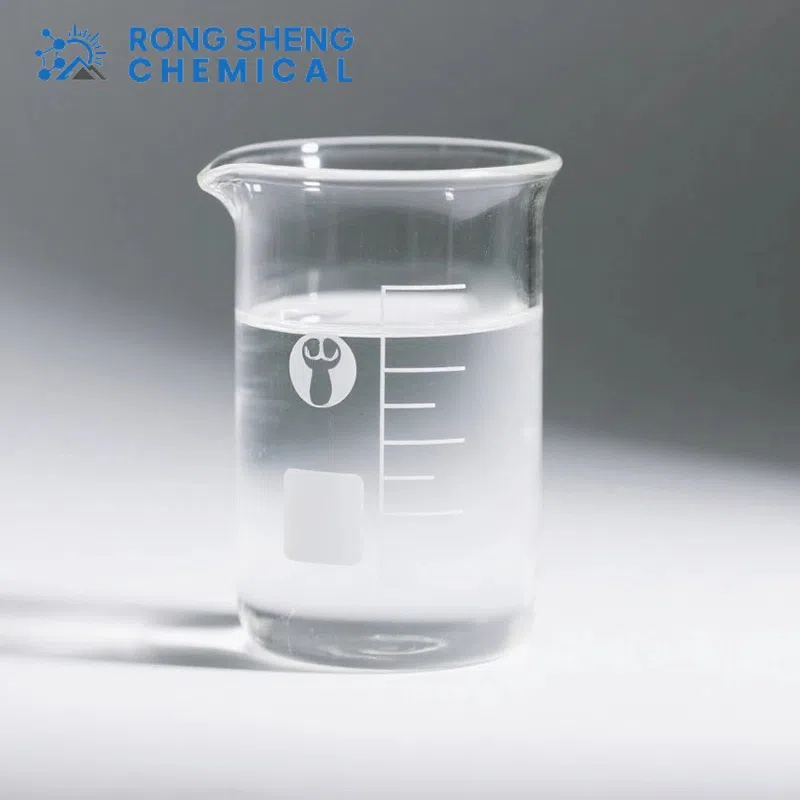
n-Butyl alcohol is a colorless, flammable liquid with a pungent alcoholic odor. It features high refractive power and burns with a bright luminous flame. This substance is incompatible with strong acids, strong oxidizers, aluminum, acid chlorides, acid anhydrides, copper and copper alloys.
n-Butyl alcohol has broad applications across numerous industries. It functions as a solvent for the manufacturing of paints, varnishes, synthetic resins, gums, pharmaceuticals, vegetable oils, dyes and alkaloids. Additionally, it is utilized in the production of synthetic leather, rubber, plastic cements, shellac, raincoats, fragrances and photographic films.
Properties
| Melting point | -90 °C (lit.) |
| Boiling point | 116-118 °C (lit.) |
| density | 0.81 g/mL at 25 °C (lit.) |
| vapor density | 2.55 (vs air) |
| vapor pressure | 6.7 hPa (20 °C) |
| refractive index | n20/D 1.399(lit.) |
| FEMA | 2178 | BUTYL ALCOHOL |
| Fp | 95 °F |
| storage temp. | Store at +5°C to +30°C. |
| solubility | water: soluble |
| form | Liquid |
| pka | 15.24±0.10(Predicted) |
| color | APHA: ≤10 |
| Relative polarity | 0.586 |
| PH | 7 (70g/l, H2O, 20℃) |
| Odor | Alcohol-like; pungent; strong; characteristic; mildly alcoholic, non residual. |
| explosive limit | 1.4-11.3%(V) |
| Odor Threshold | 0.038ppm |
| Odor Type | fermented |
| Water Solubility | 80 g/L (20 ºC) |
| Sensitive | Moisture Sensitive |
| λmax | λ: 215 nm Amax: 1.00 |
| λ: 220 nm Amax: 0.50 | |
| λ: 240 nm Amax: 0.10 | |
| λ: 260 nm Amax: 0.04 | |
| λ: 280-400 nm Amax: 0.01 | |
| Merck | 141540 |
| JECFA Number | 85 |
| BRN | 969148 |
| Henry's Law Constant | 49.2 at 50 °C, 92.0 at 60 °C, 152 at 70 °C, 243 at 80 °C (headspace-GC, Hovorka et al., 2002) |
| Exposure limits | TLV-TWA 300 mg/m3 (100 ppm) (NIOSH), 150 mg/m3 (50 ppm) (ACGIH); IDLH 8000 ppm (NIOSH). |
| Dielectric constant | 17.1(25℃) |
| Stability: | Stable. Incompatible with strong acids, strong oxidizing agents, aluminium, acid chlorides, acid anhydrides, copper, copper alloys. Flammable. |
| LogP | 0.88 |
| CAS DataBase Reference | 71-36-3(CAS DataBase Reference) |
| NIST Chemistry Reference | 1-Butanol(71-36-3) |
| EPA Substance Registry System | 1-Butanol (71-36-3) |
Product Application
Butanol is among the most important and thoroughly researched industrially applied alcohols. It is a colorless liquid with a distinctive mild alcoholic odor. Widely utilized for manufacturing chemical derivatives, the product also acts as a solvent for paints, waxes, brake fluids and detergents.
It is mainly employed in the production of n-butyl plasticizers such as phthalates, aliphatic dicarboxylates and phosphate esters, which find broad application in plastic and rubber articles. Within organic synthesis, it serves as a raw material to synthesize butyraldehyde, butyric acid, butylamine and butyl lactate.
Furthermore, 1-butanol works as an extractant for petroleum, pharmaceuticals (including antibiotics, hormones and vitamins), and flavors. It can also be used as an additive in alkyd coatings, a solvent for organic dyes and inks, as well as a dewaxing agent.
Factory Tour

Package And Shipping


