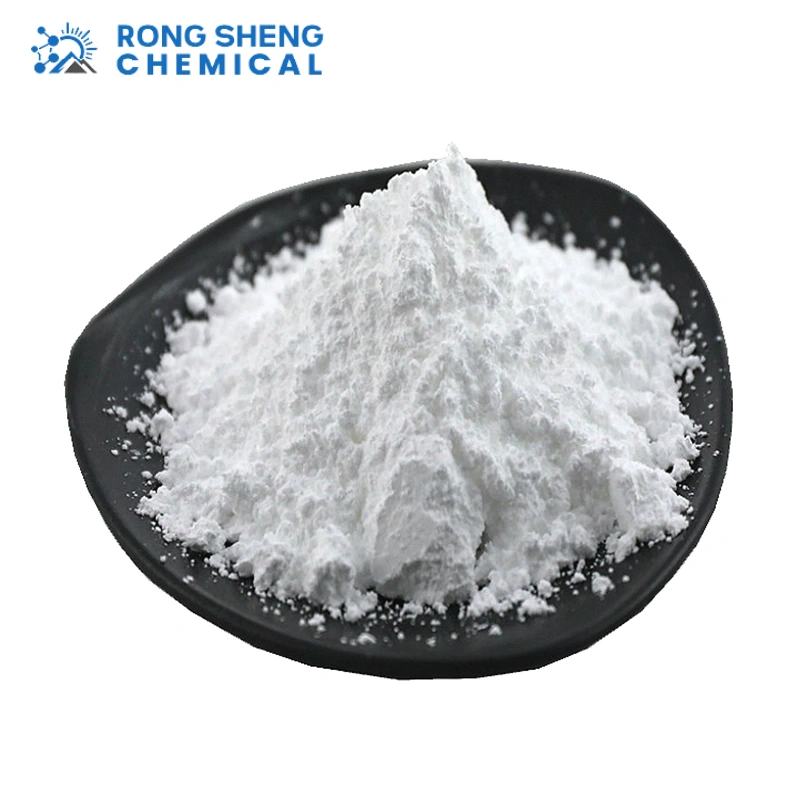
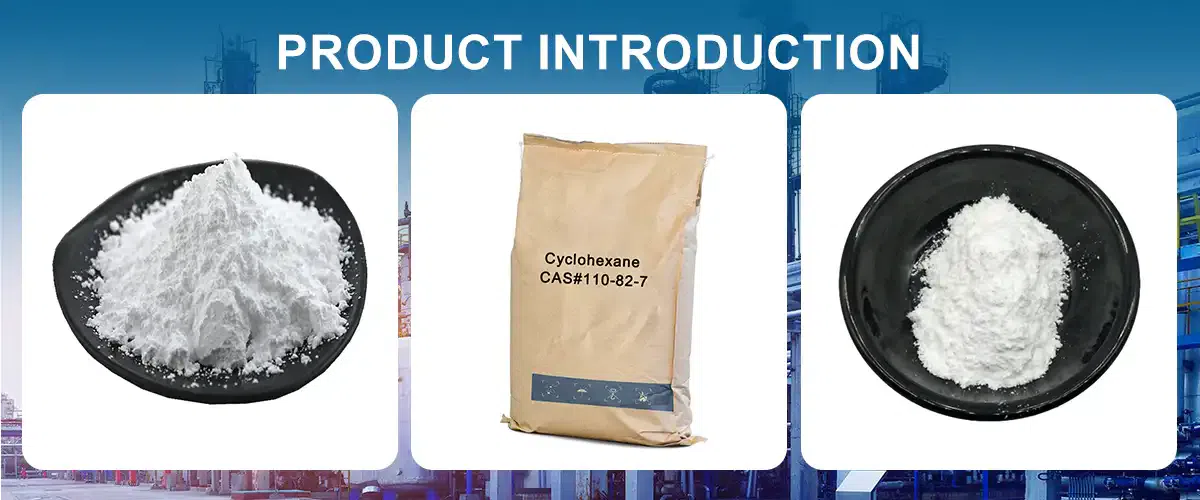
Product Description
Cyclohexane is a typical alicyclic hydrocarbon featuring a six-carbon cyclic structure, where each carbon atom bonds with two hydrogen atoms. It mainly presents two conformations, namely chair and boat forms, with the chair conformation demonstrating the highest structural stability.
At room temperature and atmospheric pressure, cyclohexane appears as a colorless liquid with a pungent odor. It is insoluble in water yet fully miscible with most common organic solvents, including ethanol, diethyl ether, benzene and acetone.
Thanks to its excellent solubility and compatibility with various organic solutes, cyclohexane serves as a high-performance solvent that is widely applied in organic chemistry experiments and industrial production processes.
Properties
| Melting point | 4-7 °C (lit.) |
| Boiling point | 80.7 °C (lit.) |
| density | 0.779 g/mL at 25 °C (lit.) |
| vapor density | 2.9 (vs air) |
| vapor pressure | 168.8 mm Hg ( 37.7 °C) |
| refractive index | n20/D 1.426(lit.) |
| Fp | -1 °F |
| storage temp. | Store at +5°C to +30°C. |
| solubility | ethanol: miscible(lit.) |
| form | Liquid |
| color | colorless |
| Relative polarity | 0.006 |
| Odor | resembling benzene; mild, sweet, resembling chloroform. |
| explosive limit | 1.2-8.3%(V) |
| Odor Threshold | 2.5ppm |
| Water Solubility | PRACTICALLY INSOLUBLE |
| FreezingPoint | 6.554℃ |
| λmax | λ: 210 nm Amax: ≤1.00 |
| λ: 220 nm Amax: ≤0.50 | |
| λ: 230 nm Amax: ≤0.20 | |
| λ: 235 nm Amax: ≤0.10 | |
| λ: 240 nm Amax: ≤0.08 | |
| λ: 250 nm Amax: ≤0.03 | |
| λ: 255 nm Amax: ≤0.01 | |
| Merck | 142723 |
| BRN | 1900225 |
| Henry's Law Constant | 1.03, 1.26, 1.40, 1.77, and 2.23 at 10, 15, 20, 25, and 30 °C, respectively (EPICS, Ashworth et al., 1988) 0.54, 0.69, 0.82, 1.43, and 1.79 at 2.0, 6.0, 10.0, 18.0, and 25.0 °C, respectively (Dewulf et al.,1999) |
| Dielectric constant | 2.0(20℃) |
| Exposure limits | TLV-TWA 300 ppm (~1050 mg/m3) (ACGIH, OSHA, and NIOSH); IDLH 10,000 ppm (NIOSH). |
| Stability: | Volatile |
| InChIKey | XDTMQSROBMDMFD-UHFFFAOYSA-N |
| LogP | 3.44 at 20℃ |
| CAS DataBase Reference | 110-82-7(CAS DataBase Reference) |
| NIST Chemistry Reference | Cyclohexane(110-82-7) |
| EPA Substance Registry System | Cyclohexane (110-82-7) |
Safety Information
| Hazard Codes | F,Xn,N |
| Risk Statements | 11-38-50/53-65-67-20 |
| Safety Statements | 9-16-25-33-60-61-62 |
| RIDADR | UN 1145 3/PG 2 |
| OEB | A |
| OEL | TWA: 300 ppm (1050 mg/m3) |
| WGK Germany | 2 |
| RTECS | GU6300000 |
| F | 46091 |
| Autoignition Temperature | 500 °F |
| TSCA | Yes |
| HS Code | 2902 11 00 |
| HazardClass | 3 |
| PackingGroup | II |
| Hazardous Substances Data | 110-82-7(Hazardous Substances Data) |
| Toxicity | LC in mice: ~60-70 mg/l air (Lazarew) |
| IDLA | 1,300 ppm [10% LEL] |
Product Application
Cyclohexane is primarily consumed for the synthesis of adipic acid, caprolactam and hexamethylenediamine; these end uses represent approximately 98% of its total demand. The remaining fraction is utilized to produce cyclohexylamine and for other chemical manufacturing purposes.
It acts as a solvent for cellulose ethers, fats, oils, waxes, asphalt, resins and rubber. It can also be employed as an organic medium for recrystallization, alongside a stripping agent to eliminate paints and varnishes.
Furthermore, cyclohexane acts as a key feedstock for the manufacture of Nylon 6 and Nylon 66. Additional applications include use as a polymerization diluent, paint release agent, cleaning detergent, adipic acid extractant and binding agent.
Factory Tour

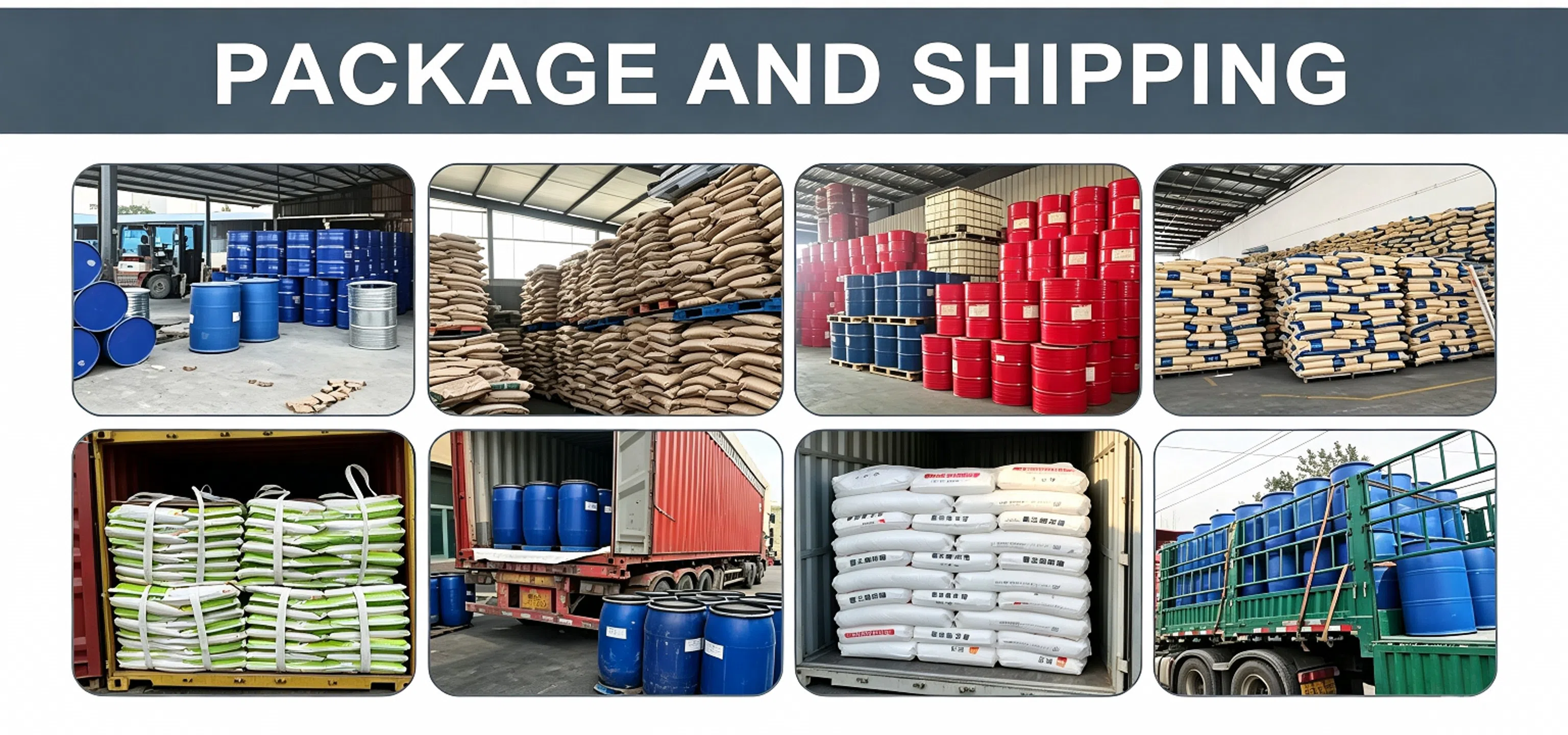
Package And Shipping