Product Description
Xylitol is produced through the reduction of D-xylose using catalytic, electrolytic, or sodium amalgam reduction methods. D-Xylose is typically obtained by the hydrolysis of xylan (CAS#9014-63-5) and other hemicellulosic materials derived from renewable sources such as wood, corn cobs, almond shells, hazelnut shells, and olive processing residues.
In the production process, the isolation of pure xylose is not always required, which can help simplify manufacturing procedures.
Chemical Properties
| Melting point | 94-97 °C (lit.) |
| Boiling point | 215~217℃ |
| density | 1.515 |
| vapor pressure | 0.329Pa |
| refractive index | 1.3920 (estimate) |
| storage temp. | room temp |
| solubility | H2O: 0.1 g/mL, clear, colorless |
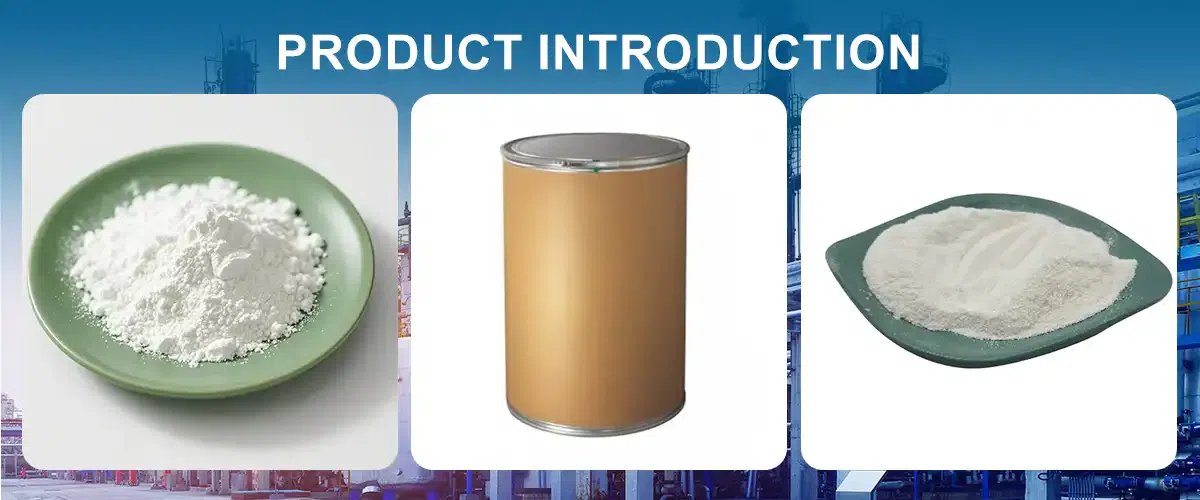
| form | Crystalline Powder |
| pk | 13.24±0.20(Predicted) |
| color | White |
| Odor | at 100.00?%. odorless |
| biological source | synthetic |
| Water Solubility | SOLUBLE |
| Sensitive | Hygroscopic |
| Merck | 1410085 |
| BRN | 1720523 |
| Dielectric constant | 40.0(Ambient) |
| InChIKey | HEBKCHPVOIAQTA-QWWZWVQMSA-N |
| LogP | -2.56 at 22℃ |
| CAS DataBase Reference | 87-99-0(CAS DataBase Reference) |
| NIST Chemistry Reference | Xylitol(87-99-0) |
| EPA Substance Registry System | Xylitol (87-99-0) |
Safety Information
| Hazard Codes | Xi |
| Risk Statements | 36/37/38 |
| Safety Statements | 24/25-36-26 |
| WGK Germany | 2 |
| RTECS | ZF0800000 |
| F | 3 |
| TSCA | Yes |
| HS Code | 29054910 |
| Hazardous Substances Data | 87-99-0(Hazardous Substances Data) |
| Toxicity | LD50 orally in mice: approx 22 g/kg (Salminen) |
Product Usage
Xylitol can be used in the production of sugar-free chewing gum, sugar-free beverages, and specialized foods designed for individuals with diabetes.
In dairy applications, such as no-added-sucrose yogurt, replacing sucrose with xylitol does not affect the fermentation process or product stability and may also provide prebiotic benefits.
When incorporated into meat products, xylitol can improve water retention, texture, flavor, and antioxidant properties while helping to extend shelf life. It is commonly used in products such as dried meat, sausages, and meat floss.
Factory Tour

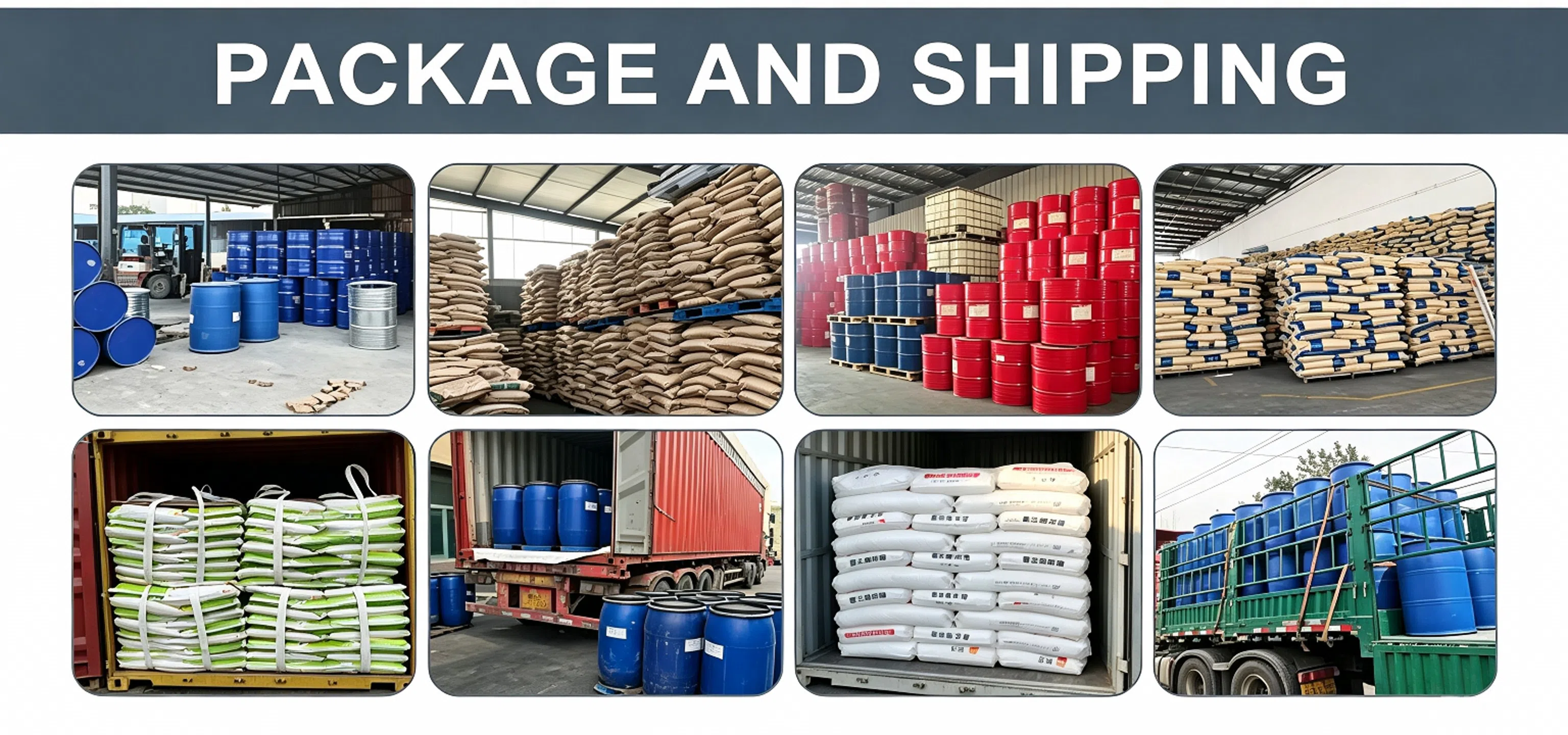
Package And Shipping