
Product Description
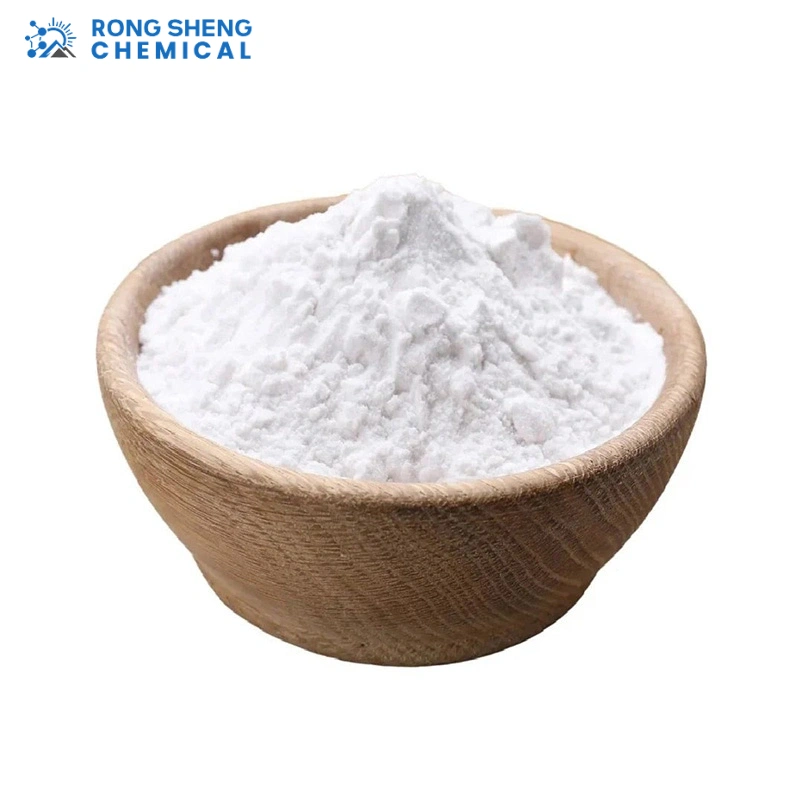
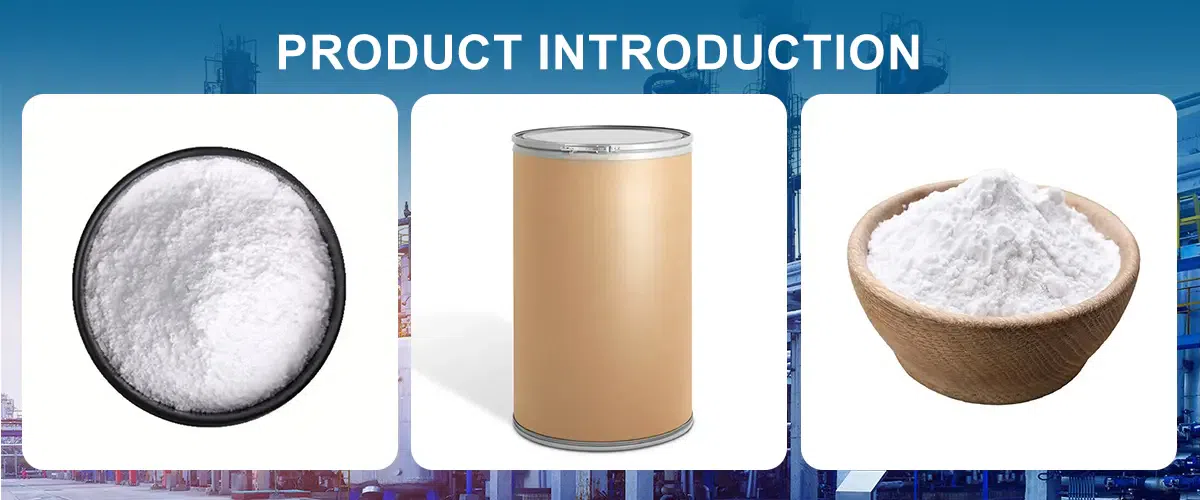
Tetrasodium pyrophosphate is a significant inorganic phosphate compound. At room temperature, it appears as a white powder or crystalline powder, which is odorless and tasteless, and exhibits excellent fluidity.
Properties
| Melting point | 80 °C |
| Boiling point | 93.8 °C |
| density | 2.53 g/mL at 25 °C(lit.) |
| vapor pressure | 0Pa at 20℃ |
| storage temp. | Inert atmosphere,Room Temperature |
| solubility | H2O: 0.1 M at 20 °C, clear, colorless |
| form | Granular |
| color | White |
| Specific Gravity | 2.534 |
| Odor | Odorless |
| PH Range | 10.3 |
| Water Solubility | Soluble in water. Insoluble in ethyl alcohol. |
| Sensitive | Hygroscopic |
| Merck | 149240 |
| Exposure limits | NIOSH: TWA 5 mg/m3 |
| Stability: | Stable. Incompatible with strong oxidizing agents. |
| InChIKey | FQENQNTWSFEDLI-UHFFFAOYSA-J |
| LogP | -3.42 |
| CAS DataBase Reference | 7722-88-5(CAS DataBase Reference) |
| EPA Substance Registry System | Tetrasodium pyrophosphate (7722-88-5) |
Product Usage
Sodium pyrophosphate is widely applied across multiple industries. In the food sector, it serves as a pH regulator to enhance water retention in meat products and improve the taste of baked goods. In industrial applications, it functions as a water softener in water treatment, an auxiliary agent in detergents, and a complexing agent in electroplating. Additionally, it finds use in daily chemicals, pharmaceuticals, textile dyeing and color fixation, and as an anti-tartar agent in toothpaste.
Factory Tour

Package And Shipping


